In brief
The latest Ebola outbreak in the Democratic Republic of Congo has surpassed all previous epidemics in fatalities, with 2,325 deaths so far. The Bundibugyo species, the most rarely seen subtype of the virus, has hit six of the country’s 26 provinces in just three months. World Health Organization officials warn that the virus is killing someone every 30 minutes, a rate far exceeding previous outbreaks. Efforts are underway to introduce new vaccines and antiviral therapies amid ongoing humanitarian challenges.
Over 2,300 people have died in the Democratic Republic of Congo’s current Ebola outbreak, marking the deadliest episode in the country’s history. The Victims are part of a larger wave of infections that has spread to six of the 26 provinces.
Health officials say the current outbreak is the fastest growing ever, with a new death in the region every 30 minutes. The virus responsible is the Bundibugyo strain, which has caused only two known outbreaks in the past 50 years.
While no fully approved vaccine exists for this strain, several candidates are under development, one based on the technology used in the Oxford–AstraZeneca COVID-19 vaccine. The UK Medicines and Healthcare Products Regulatory Agency has cleared first human trials for a new vaccine from the University of Oxford.
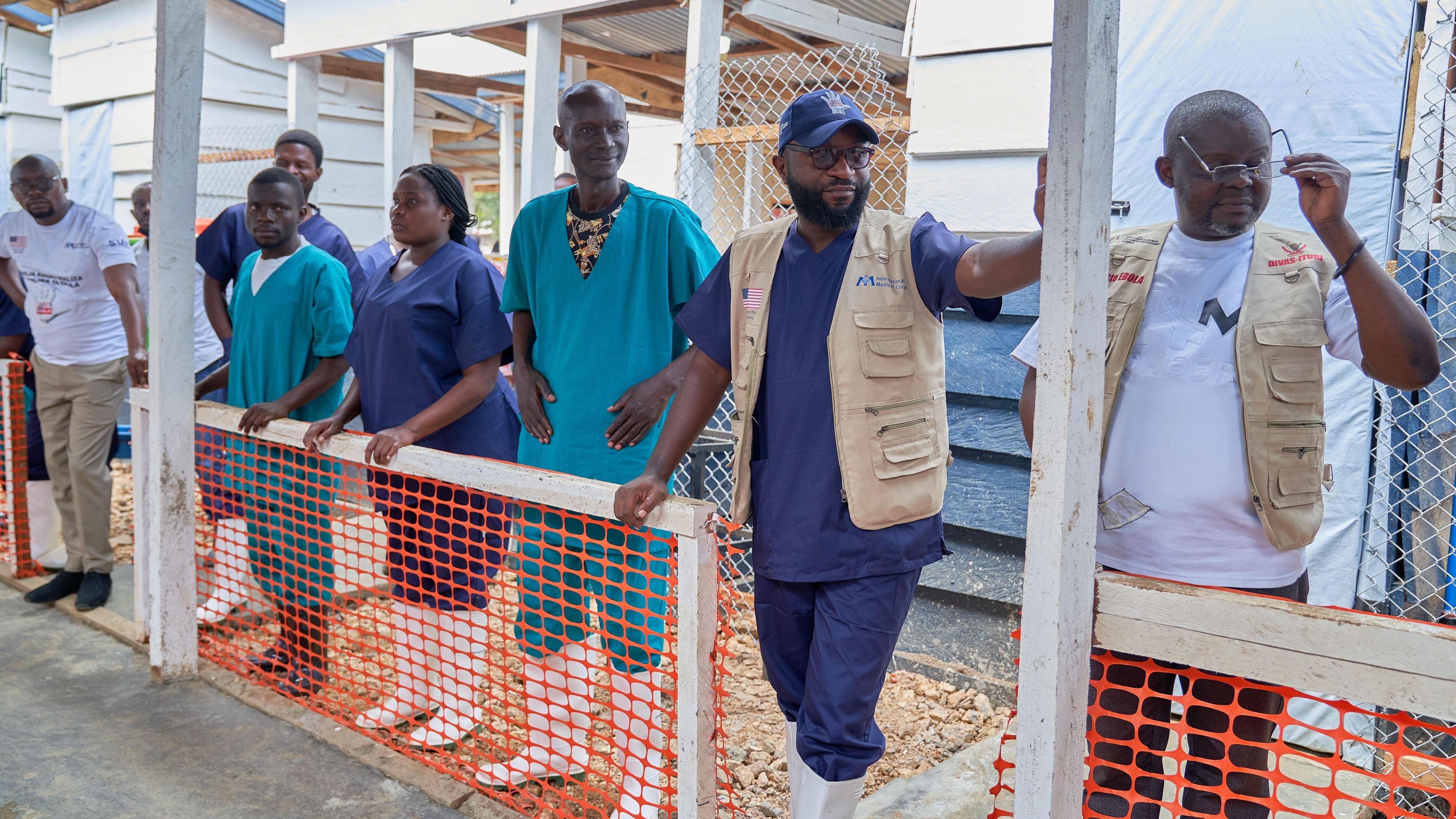
Doctors are treating the disease in makeshift centers, such as the newly inaugurated facility in Rwakole, Bunia, where staff wore white uniforms and white boots. A second facility in the same region was opened on 4 August to provide specialized care.
The WHO aims to reduce transmission within three months, with a separate trial in the country testing two antiviral treatments that might improve survival. The outbreak’s rapid spread is partly due to years of conflict and a highly mobile population that hampers containment efforts.
For more details, see related topics on the Democratic Republic of Congo, Ebola virus, and Africa.