In brief
Syria's rebel leader, Ahmed al-Sharaa, clarifies the circumstances of a controversial photo with a young woman, acknowledging differing cultural expectations in a religiously diverse society.
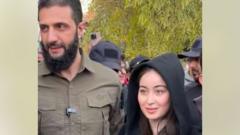
In an attempt to clarify a controversial moment captured during his visit to Damascus, Syrian rebel leader Ahmed al-Sharaa, head of the Sunni Islamist group Hayat Tahrir al-Sham (HTS), spoke out against online criticism surrounding a photograph he took with Lea Kheirallah. Video footage circulated showing him gesturing to the young woman to cover her hair before the photo was taken, leading to a divide of opinion among commentators and the public."Liberal commentators expressed concern that al-Sharaa’s actions indicate a potential imposition of an Islamic system following the overthrow of Bashar al-Assad, while hardline conservatives chastised him for even agreeing to the photo with a woman," al-Sharaa clarified to Jeremy Bowen of the BBC. He emphasized that he did not force Kheirallah to cover her hair, stating, "it's my personal freedom, and I want photos taken for me the way that suits me."Lea Kheirallah agreed that the request was presented kindly. "He asked in a gentle and fatherly way," she said, explaining she thought that the leader had the right to be represented in the manner he prefers. This incident has hinted at the complicated challenge of satisfying a populace with a diverse spectrum of beliefs, including differing opinions about governance and cultural practices among Syrian factions.HTS, which previously enforced strict codes of conduct, has loosened these regulations over the years due to public dissent. Nonetheless, they still navigate a landscape where Sunni Muslims make up the majority of the population and differing religious factions coexist, presenting potential volatility in future governance.The incident reignited fears among liberal groups who warn of a return to conservative policies, such as mandates for women to wear hijabs. Meanwhile, hardliners expressed outrage on platforms like Telegram, accusing al-Sharaa of a lack of religious observance and prioritizing personal image over spiritual doctrine.Responses were mixed; some critics argued that al-Sharaa's actions echoed the behavior of previous authoritarian leaders. Others voiced their concerns of a burgeoning fundamentalism within Syrian society. Amidst the stark reactions, discussions continue about the implications of such moments for the future of governance in Syria, where cultural norms and political ideologies clash in the quest for unity.