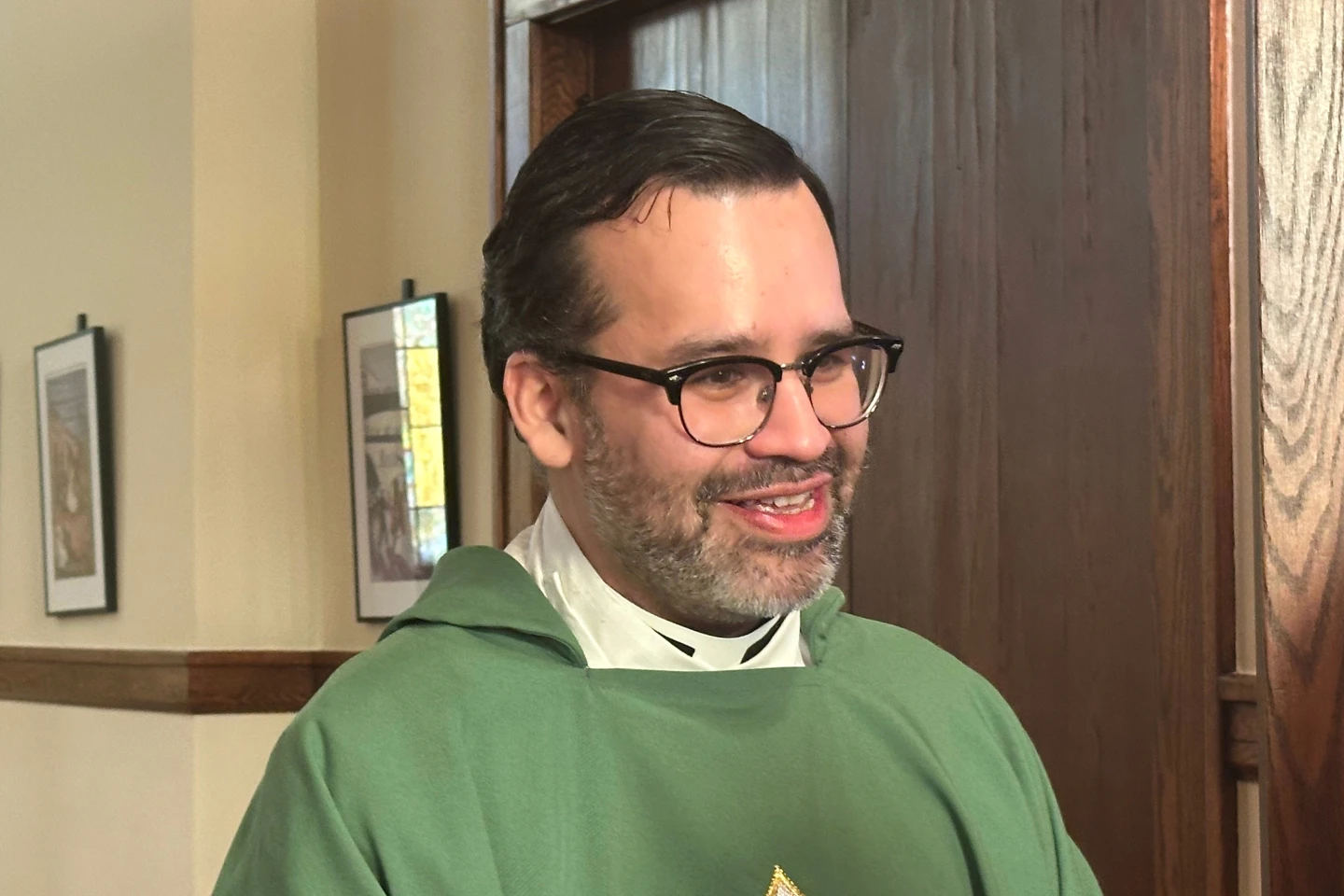
WASHINGTON (AP) — At a time of tightening immigration restrictions, the Department of Homeland Security is working to streamline the process for visa-holding religious workers serving U.S. congregations.
DHS announced regulatory changes aimed at reducing visa wait times for the foreign nationals dependent on U.S. religious communities, allowing access to temporary R-1 visas for roles such as pastors, priests, nuns, imams, and rabbis. These individuals face a long backlog in obtaining legal residency in the U.S., with many congregations reliant on their expertise.
A notable change includes the removal of the one-year exit requirement for R-1 visa holders after reaching their five-year limit. Previously, the lengthy processing times had notably disrupted the ability of religious organizations to maintain continuity in leadership.
“We are taking the necessary steps to ensure religious organizations can continue delivering the essential services Americans depend on,” stated DHS. Their focus remains on supporting and empowering these groups in their critical missions.
Immigration Attorneys and Faith Leaders Welcome New Rule
The easing of immigration restrictions comes at a time when many others have been tightened under previous administrations. Advocates highlight the commitment to minimize disruptions for faith-based communities.
Immigration attorney Lance Conklin remarked, “It’s a huge deal. This change will allow organizations to function without severe disruption due to clergy leaving for years.”
The new rule has been hailed as a “significant step” by the U.S. Conference of Catholic Bishops, who emphasized the importance of the Religious Worker Visa Program in sustaining essential services.
Inspired by these changes, Olga Rojas from the Archdiocese of Chicago expressed her excitement, stating that this adjustment could prevent the loss of valuable clergy contributing to spiritual communities.
As many religions rely on foreign religious leaders due to notable clergy shortages domestically, this continued access is vital.
Recent Changes Extended Wait Times
The original five-year R-1 visa duration allowed congregations time to apply for special EB-4 green cards enabling permanent residency. However, delays imposed by Congress have produced significant backlogs across various visa categories.
Households with popular visa types often see excessive demand leading to longer wait times to process applications, displacing many skilled workers, including religious leaders. In addition, regulations have been further complicated by recent changes affecting other vulnerable groups, such as migrant children.
Thousands of religious workers currently face extended delays and uncertainty as they navigate this complex immigration landscape. Legal actions have previously attempted to address these disruptive changes, but ongoing legislative momentum suggests the path is back toward resolving these issues for underserved faith communities.
In spring 2025, a bipartisan initiative was introduced calling for further easing of restrictions related to religious worker visas, aligning policy with the operational necessities of U.S. faith communities.