In brief
Following the catastrophic effects of Cyclone Ditwah, which resulted in over 400 deaths and left many displaced, Sri Lankans are uniting to assist their fellow citizens. Volunteer efforts, led by activists and local heroes, are providing food, water, and essential assistance as the nation grapples with its worst natural disaster in years.
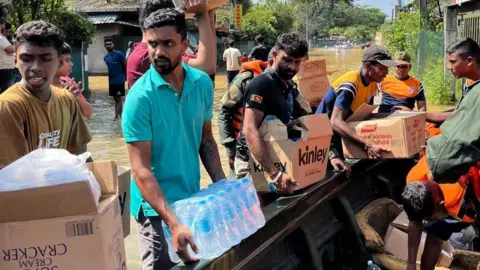
Sri Lankan actor and musician GK Reginold rides a motorised fishing boat through Colombo's suburbs, hoping to bring food and water to those in desperate need.
Some of the families, Mr Reginold says, have not received aid for days, isolated by the South Asian island nation's worst weather disaster in recent years.
Cyclone Ditwah lashed the country last week, bringing catastrophic floods and landslides that killed more than 400 people, left hundreds missing and destroyed 20,000 homes.
But the deluge has also inspired volunteerism among its people, as they face what their president has described as the most challenging natural disaster in its history.
The main reason why I wanted to do this, is to at least help them to have one meal, Mr Reginold tells the BBC. And I was so happy that I was able to do that.
More than one million people have been affected by the disaster and President Anura Kumara Dissanayake has declared a state of emergency.
Sri Lanka's military has deployed helicopters for rescue operations, while humanitarian aid is flowing in from foreign governments and non-governmental organisations.
In Colombo's Wijerama neighbourhood, activists who protested against former president Gotabaya Rajapaksa in 2022 are now helping run a community kitchen that churns out food aid.
The protests from three years ago were fuelled by a spiralling economic crisis that caused shortages of fuel, food and medicine. Public anger exploded and led to Rajapaksa being ousted. Now, that political activism is being channelled to cyclone relief.
Online efforts also complement physical aid, as communities leverage social media to coordinate donations and direct relief efforts effectively.
Despite political tensions and criticism of the government's preparedness, the resilience and solidarity displayed by many Sri Lankans highlight the community's capacity for empathy and support in the face of adversity.