In brief
Cuba has faced significant power outages affecting over 10 million people after a failure in its national electrical grid. The government has begun restoring electricity to vital services but is struggling with ongoing fuel shortages and deteriorating infrastructure. Public dissent has risen alongside the energy crisis, leading to protests throughout the country while international groups attempt to provide support.
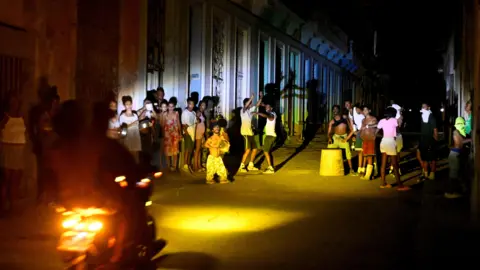
More than 10 million people have lost power across Cuba after the country's national electrical grid collapsed for the second time in a week. The Cuban energy ministry confirmed a total disconnection of the National Electrical System in a recent social media statement.
Recovery efforts have commenced, with the national grid operator, UNE, working to restore electricity, prioritizing essential services such as hospitals and water supply systems. By Sunday afternoon, power was restored to approximately half of Havana, according to local electricity officials.
This national blackout is the latest in a series of power outages as Cuba battles ongoing energy deficits exacerbated by a U.S. fuel blockade that has severely restricted the import of oil necessary for running power plants. This month alone, Cuba has experienced three significant blackouts.
Despite recovery efforts, an aging infrastructure and chronic fuel shortages continue to challenge the nation's electricity supply. As unrest builds among the populace, showing local dissatisfaction has emerged, including protests marked by citizens banging pots and pans in central Havana.
International solidarity efforts have also seen the arrival of a coalition of socialist groups in Havana, delivering humanitarian aid such as solar panels and food supplies amid the crisis.
Political turmoil remains, as Cubans express growing frustrations towards local governance and economic hardships. Public dissent risks severe repercussions under the country’s laws against unauthorized demonstrations.
As Cuba contends with these challenges, discussions with the U.S. government have reportedly begun, although the Cuban government insists its political system is non-negotiable, reaffirming President Miguel Díaz-Canel's position amidst external pressures.