In brief
In the Danube’s muddy floodplain, the self‑proclaimed Free Republic of Liberland is a concrete experiment where crypto fortunes buy political influence. President Vít Jedlička, backed by tech moguls like Justin Sun and Tim Draper, uses a token called Liberland Merits to weight votes. The micronation’s tax‑free, blockchain‑run system promises citizens direct law‑making via code, but critics see it as a cash‑powered elite club. As more billionaires stake their fortunes in Liberland, the experiment raises questions about who actually governs when governance is outsourced to the richest.
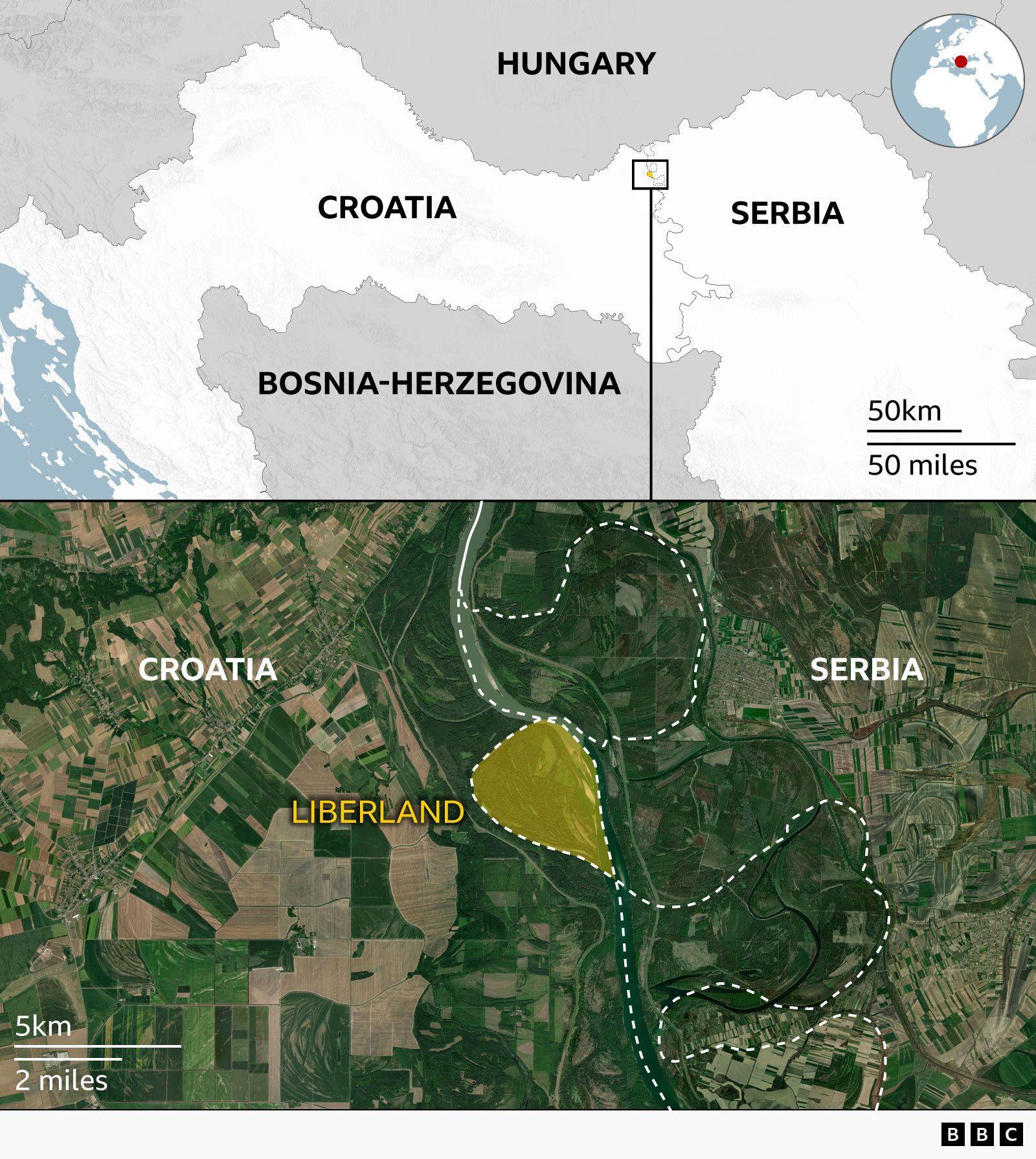
The Free Republic of Liberland sits on a disputed strip of Danube floodplain, a tiny patch between Serbia and Croatia that has become a startup playground for the world’s wealthiest tech investors.
President Vít Jedlička’s idea is simple: run a parallel, tax‑free country powered by the same technology that underpins cryptocurrencies, where voting power is bought with a specially issued token called Liberland Merits. The rules are encoded on the blockchain, so decisions are automatically tallied by code rather than trusted officials.
Already, cornerstone backers include $8.5 bn crypto billionaire Justin Sun, co‑founder of the Tron blockchain, and venture icon Tim Draper. Their involvement signals a radical shift—could a market‑driven process replace a state’s role entirely?
The micronation has attracted scrutiny. Critics note that anyone who can afford the Merits token suddenly gains disproportionate influence, turning the nation into a “cash‑powered elite club.” The promise of “freedom” and “corporate monarchies” clashed with the reality of an increasingly unequal digital democracy.
When the crypto lobby surpassed the fossil‑fuel industry in US election spending, lobbying was no longer a policy lever, it was a new form of governance. As more billionaires invest in Liberland and similar projects, the line blurs: who truly holds the keys when a government runs on blocks of code? The answer may shape tomorrow’s digital republics, or it could usher in a new breed of plutocracy that hires a CEO‑king to rule the land on Libertarian terms.