Court Drama: Maduro's Plunder Allegations and Legal Fee Controversy
 Reuters
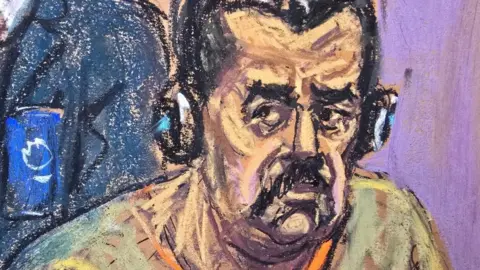
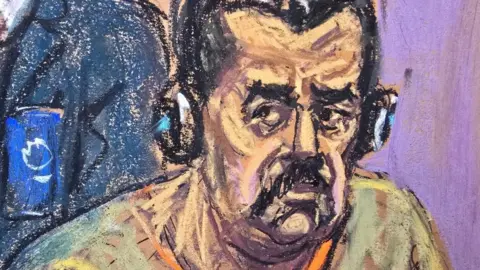
A judge appeared sympathetic on Thursday to legal arguments that ex-Venezuelan leader Nicolás Maduro and his wife, Cillia Flores, should be allowed to use money from the Venezuelan government to fund their defense.
Maduro and Flores’s attorneys asked the judge to dismiss the narco-terrorism case against the pair because the U.S. denied them access to use the funds for their lawyers due to current sanctions.
Prosecutors argued Maduro 'plundered' Venezuela's wealth and should not be able to utilize that country's money for legal fees.
The 92-year-old Judge Alvin Hellerstein noted that 'the right to defense is paramount', though he stated he would not dismiss the case at this moment.
Judge Hellerstein is yet to issue a ruling, which could have major implications for future court dates.
Maduro and Flores were captured by U.S. forces from his Caracas compound on January 3 and brought to New York to face allegations concerning drug and weapon offenses, which they continue to deny.
Recent court appearances have contrasted dramatically, with Maduro once asserting his innocence vocally, while this last session saw a subdued presence amidst legal back-and-forth.
Given the existing U.S. sanctions, Maduro and Flores required a license to have their legal fees paid by the Venezuelan government. Although initially granted, the license was later revoked.
The prosecution asserts that the Maduros should not benefit from state funds over national security concerns, while the defense is counting on the court’s recognition of the evolving nature of their legal circumstances.
The judge's deliberations will be decisive in determining whether the charges against Maduro will move forward or be dismissed amidst ongoing sanctions and international tensions.