In brief
The Eleventh Circuit Court has decided that the Florida-run immigration detention facility dubbed 'Alligator Alcatraz' will remain open despite previous rulings concerning its adherence to federal environmental laws. A majority of the judges ruled that the facility, created at state expense and controlled by Florida officials, does not require federal environmental reviews. Environmental groups have voiced their opposition and plan to continue legal efforts against the facility's operations.
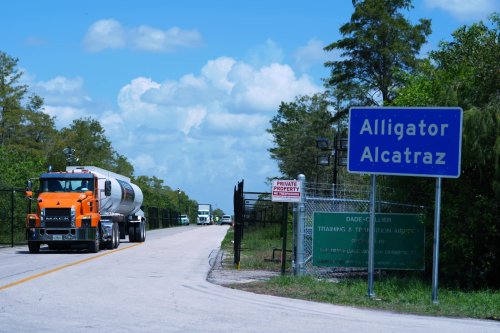
ORLANDO, Fla. — The controversial immigration detention center located in the Florida Everglades, known colloquially as Alligator Alcatraz, has been granted permission to continue its operations following a ruling from the Eleventh Circuit Court of Appeals. The panel ruled on Tuesday that the facility does not fall under federal jurisdiction and thus is not required to comply with federal environmental laws requiring an impact review.
The decision comes after U.S. District Judge Kathleen Williams had previously set a preliminary injunction mandating the facility's closure due to its non-compliance with these environmental regulations. However, the appellate court indicated that Florida, not federal authorities, constructed and operates the facility, which was funded entirely by state resources.
Florida, not federal, officials constructed the facility, the ruling stated. They control the land and 'entirely' built the facility at state expense. As it stands, Florida has not received any federal funding for its operations.
Though the court blocked the injunction shortly after it was issued last August, local environmental groups, including Friends of the Everglades and the Center for Biological Diversity, have vowed to continue their fight against the facility. Eve Samples, executive director of Friends of the Everglades, expressed her determination to pursue further legal action. This fight is far from over. Alligator Alcatraz was hastily erected in one of the most fragile ecosystems in the country without the most basic environmental review, at immense human and ecological cost, she asserted.
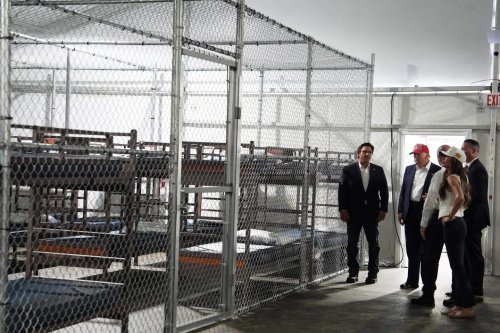
Critics have pointed out serious allegations of mistreatment within the facility, including reports of guards using excessive force against detainees. In a dissenting opinion, Judge Nancy Abudu argued that immigration is a federal responsibility and that the state cannot bypass federal authority by constructing detention facilities. This case highlights ongoing tensions surrounding immigration enforcement and environmental protections in the state.