In brief
An investigative BBC report uncovers the grim reality inside Izolyatsia, a facility notorious for beating, electric torture and sex abuse of civilians. Former victim Liudmyla Huseinova details her kidnapping, prolonged detention and the men—Yurii Temerbek, Ruslan Yeriomichev and Andrey Spivak—who abused her and others. The report traces the criminals’ residence in Russia, their alleged continuation of daily life, and the lack of justice while highlighting a wider network of 195 unreported detention sites across Ukraine and Russia. The story raises urgent questions over international oversight and the prospects for accountability in a conflict zone where detentions are covert and victims remain silenced.
This article contains accounts of torture and sexual violence
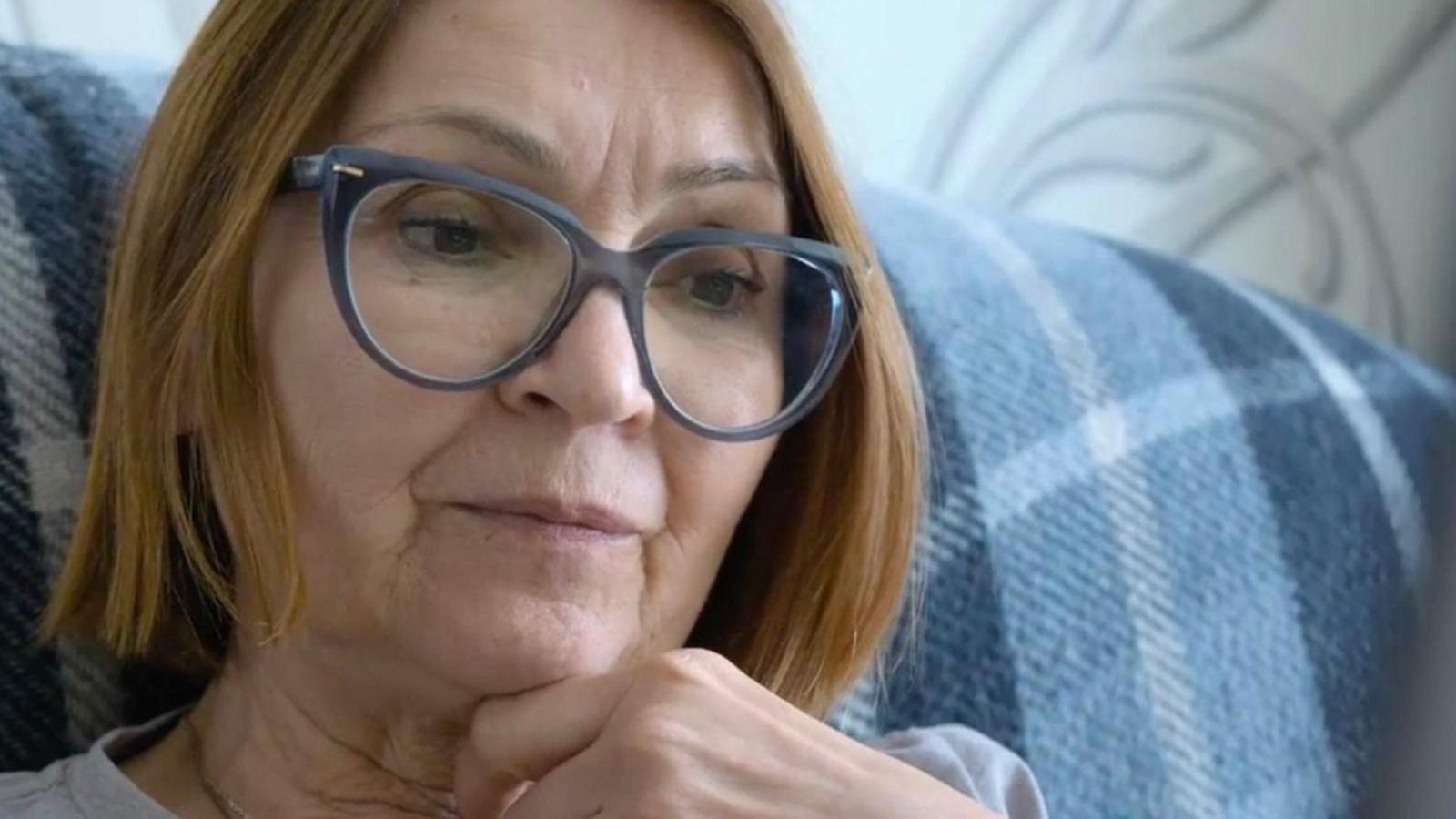
Early one October morning in 2019, a group of men jumped out of a car and threw 64‑year‑old Liudmyla Huseinova into the back seat, marking the start of a nightmare that lasted three years and thirteen days in a Russian‑occupied detention system in eastern Ukraine.
Among the men was Yurii Temerbek, a former Ukrainian traffic police officer who later joined the Russian‑backed separatists. Two weeks later, Liudmyla was taken to the second floor of Izolyatsia, where a guard referred to as “Koval” sexually assaulted her, while Temerbek laughed sarcastically nearby.
The BBC, through open‑source investigators from Truth Hounds and Ukrainian journalists, identified these men by cross‑referencing photos, social media, media reports and Ukrainian prosecutor documents. The men now live ordinary lives in Russia’s Rostov region, wearing passports issued by the Donetsk People’s Republic.
Decades‑old accounts from former detainees describe beatings, electric shocks, mock executions and pervasive sexual violence, with civilians being arbitrarily detained and families kept uninformed. Ukraine reports more than 16,000 civilians captured or disappeared since the 2022 invasion, with 2,000 passing through the 195 identified detention sites between 2023‑2025.
Liudmyla’s story began when she worked as a safety engineer at a poultry farm in Novoazovsk and helped care for orphans and give food to Ukrainian forces. She recalled receiving a Ukrainian flag with a note of thanks, which she believes was why the Russian‑backed forces identified her as a ‘spy’ and brought her to Izolyatsia.
In the prison, detainees endured constant standing from 06:00 to 22:00, bright night lights, and forced consumption of uncooked food laced with soil. She recalls hearing a guard called “Yermak” shouting “Are you for Ukraine?” and then beating her while another guard, “Yeriomichev,” appeared in recent social‑media photos as a family man in 2024.
Both Liudmyla and fellow detainee Oleksii Sivak have returned to Kyiv and now lead networks that support former detainees, forwarding parcels and lobbying for justice. Their testimonies underpin a BBC mapping of 93 Ukrainian and 102 Russian detention centres, many officially undisclosed.
Efforts to contact the accused—Temerbek, Yeriomichev, and Spivak—were ignored. The Russian Embassy in the UK denies wrongdoing, asserting its respect for international law. Ukrainian prosecutors have opened cases against dozens of accused abusers, with only one former head of Izolyatsia jailed for 15 years; the facility itself remains operational.
Liudmyla says justice will mean the names of these criminals are known to their descendants and that offenders are punished by law, not revenge. The report underscores the urgent need for accountability in a conflict zone where state‑backed detention facilities continue to operate with impunity.