In brief
Publisher Hachette has halted the US release of the horror novel 'Shy Girl' by Mia Ballard, amidst claims regarding the use of AI in its writing process. Despite Ballard's denial of using AI, the controversy has taken a toll on her mental health, leading her to pursue legal action. This situation illustrates the increasing scrutiny faced by authors and publishers concerning the influence of artificial intelligence on literary works.
The US release of a horror novel has been cancelled by its publisher over concerns that AI was used to help write it.
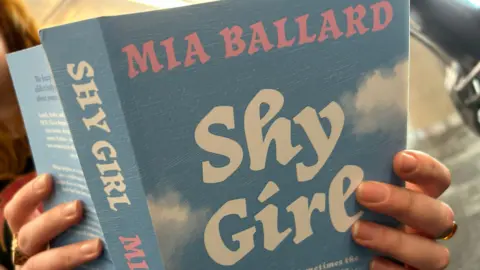
'Shy Girl' by US author Mia Ballard had been scheduled for publication in the US next month, but that will no longer go ahead, publisher Hachette said. The UK version, which was released in November, will also be discontinued.
A spokesperson for Hachette told BBC News the company remains committed to protecting original creative expression and storytelling.
Ballard, who sold almost 2,000 copies of the book in the UK, has denied using AI to write the book - telling the New York Times an acquaintance she hired to edit the original self-published version of the novel had used AI.
This controversy has changed my life in many ways and my mental health is at an all time low and my name is ruined for something I didn't even personally do, she said, noting she was pursuing legal action.
The New York Times, which first reported the story, said it appears to be the first commercial novel from a major publishing house to be pulled over evidence of AI use.
The publisher said: Hachette remains committed to protecting original creative expression and storytelling.
Orbit (in the US) will not publish Shy Girl, and Wildfire (in the UK) have decided to no longer continue publishing their edition, it added, referring to its imprints.
Originally self-published last February, 'Shy Girl' was described in its promotional material as a buzzy BookTok sensation and a harrowing tale of survival and revenge and well as being bloody and unapologetic.
However, one reviewer on the GoodReads website claimed the book appeared to be written by ChatGPT, while another noted the bizarre formatting, typos and repetitive turns of phrase.
BBC News has approached Ballard for a further comment.