In brief
Anthropic, the AI research lab run by former OpenAI employees, has announced a plan to dedicate 5% of its shares to a public‑benefit fund. The move is part of the company’s strategy ahead of a potential blockbuster IPO that could value it at over $1 trillion. By earmarking these shares for nonprofits and initiatives that address AI’s societal impact, Anthropic hopes to assuage growing safety concerns. The fund will bar the use of its shares for lobbying or political donations, and the company has hinted at an additional 2% share allocation at its board’s discretion. The announcement has drawn attention from industry figures, including Elon Musk, who urged sharing the shares directly with the public.
Artificial intelligence (AI) giant Anthropic says it will commit 5% of its shares to a fund that will make donations for the 'public good'.
The announcement comes as Anthropic lays the ground for a potential blockbuster stock market listing that could value the firm at more than $1tn (£750bn).
The AI industry has come under intense scrutiny recently over safety concerns and fears about its impact on society and the economy. Anthropic reportedly said in its initial public offering (IPO) filing that AI could pose "catastrophic or existential risks to humanity".
Anthropic said its proposed fund could support nonprofit organisations, and efforts to address AI's impact on the jobs market.
None of the shares held by the fund would be used for lobbying or political donations in the US or overseas, it added.
Anthropic's Public Benefit Fund could also receive another 2% of the firm's shares at its board's discretion, the Claude developer said in a statement released on Sunday.
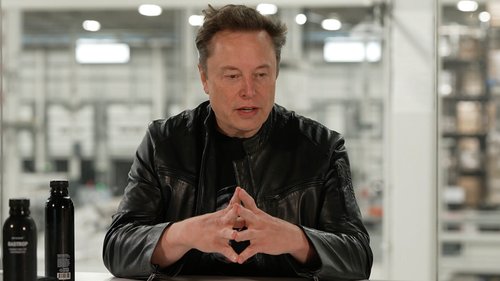
Technology billionaire Elon Musk responded to the announcement on social media with: "I recommend giving the shares directly to the public." "This is what I will be doing," he added.
In common with other AI firms, it is seeking to position itself as being able to generate huge profits despite spending billions on developing the technology and building infrastructure to power its models.
Companies around the world, primarily technology firms, have cut thousands of jobs after investing in AI, with many pointing to higher efficiencies from its adoption.
Research by the International Monetary Fund (IMF) published in 2024 suggested that almost 40% of jobs around the world will be affected by AI, with that figure rising as high as 60% in advanced economies.