In brief
In a surprising twist, the Confederation of African Football (CAF) has awarded Morocco the African Cup of Nations title, a decision met with jubilation in Morocco but stark anger in Senegal. After a contentious final that saw Senegal walk off the pitch in protest, CAF ruled Senegal had forfeited the match, leading to Morocco's crowning. Moroccan fans celebrated passionately, whereas Senegal's government announced intentions to appeal the controversial ruling, citing a call for independent investigations into CAF's actions.
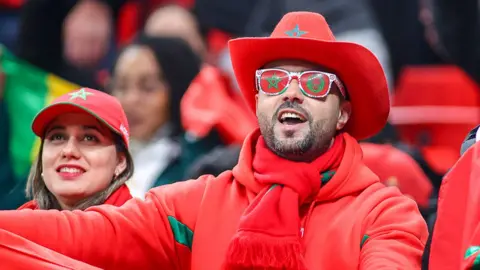
It was a night of jubilation in Morocco, but anger in Senegal after the decision to strip the Senegalese national side of their continental football title and hand it to their North African rivals.
Two months after the final whistle blew at a contentious and acrimonious final in Rabat, news came through that tournament hosts Morocco were declared the winners of the Africa Cup of Nations (AFCON).
The Confederation of African Football (CAF) had ruled that Senegal had broken the rules by leaving the pitch in protest at a refereeing decision. The match later resumed and Senegal won 1-0 but CAF decided that the walkout meant they had forfeited the game.
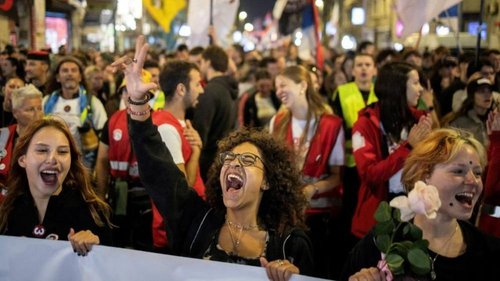
Moroccans took to the streets to celebrate, with local media showing footage of fans driving through Tangier waving flags and honking horns. Other images depicted passionate supporters setting off flares.
Moroccan journalist Jalal Bounour commented on the celebrations, describing it as a sleepless night as fans welcomed the news with great excitement and joy.
There was a strong sense among Moroccans that justice had been served; many viewed the ruling as correcting an earlier violation of procedure. One fan stated, The entire Moroccan people are out in every city, happy with our cup. The cup has returned to us, the cup that was denied to us.
In stark contrast, the mood in Senegal was one of disbelief and frustration. One young man expressed, I'm stunned. Football no longer exists. This is not football. No-one here understands or accepts this decision, reflecting widespread discontent.
The Senegalese government's official response announced their plan to appeal against the ruling, stating it undermined CAF's credibility and called for an independent investigation into suspected corruption within CAF.
As the reactions unfold, it's clear that this decision has ignited deep emotions and significant discourse around sports governance in Africa.