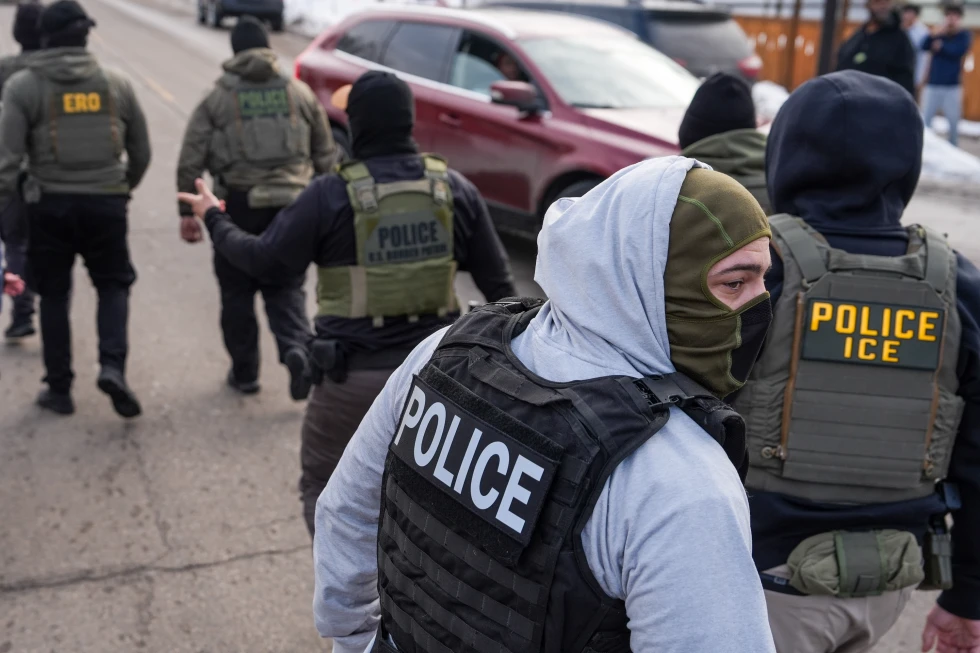
WASHINGTON (AP) — The heads of the agencies implementing President Trump's mass deportation policies will testify in Congress this Tuesday. Officials will face questions regarding their immigration enforcement inside American cities, following recent events that have drawn significant public and media scrutiny.
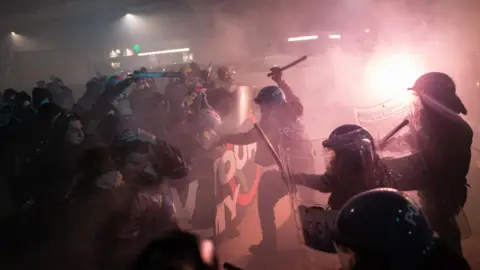
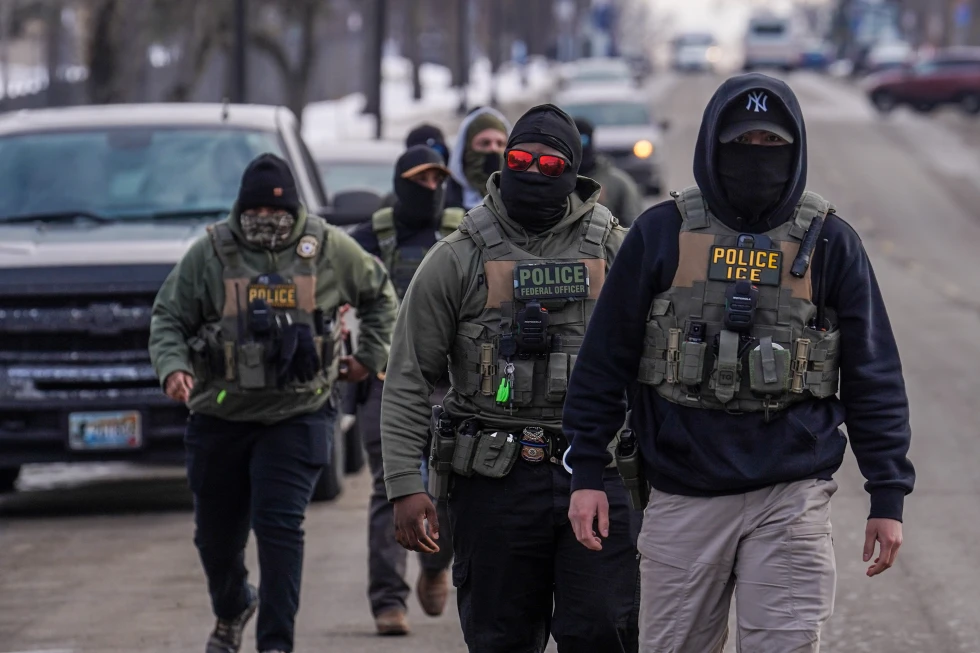
Critics have sharply criticized the administration's immigration campaign, particularly after the fatalities of two protesters in Minneapolis at the hands of Homeland Security officers. Advocacy groups argue that various policies enacted by these agencies infringe upon the rights of immigrants and citizens alike who oppose these enforcement actions.
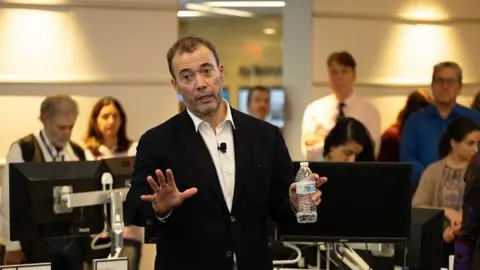
Todd Lyons, acting director of U.S. Immigration and Customs Enforcement (ICE), Rodney Scott, head of U.S. Customs and Border Protection (CBP), and Joseph Edlow, director of U.S. Citizenship and Immigration Services (USCIS), will present their testimonies before the House Committee on Homeland Security.
The officials' appearance comes at a challenging time, as public support for their approaches to immigration enforcement has decreased. However, they are currently benefiting from funds allocated in a spending bill passed last year that aims to enhance enforcement capabilities.
The hearing will scrutinize how these agencies have escalated their immigration enforcement roles, with Lyons potentially facing hard questions regarding a controversial memo he signed that permits ICE officers to enter homes for arrests without needing a judicial warrant, which raises significant Fourth Amendment concerns related to unlawful searches.
Furthermore, under Scott's leadership, CBP has pivoted significantly towards interior enforcement, straying from its traditional mission of border control. This transition has resulted in increased arrests and heightened tensions over the treatment of suspected undocumented individuals.
Proponents of the current administration claim that the heightened operational measures taken by immigration officials, such as targeted arrests in cities, are essential for maintaining public safety and addressing individuals who may pose threats to the community. Nevertheless, these justifications are viewed skeptically by critics, who argue that the actions of ICE and CBP are overreaching and detrimental to civil rights.
The upcoming testimonies depict a crucial moment in the ongoing debate surrounding the U.S. immigration system and will reflect the stark division between the government’s narratives regarding safety and enforcement versus the claims of activists advocating for immigrant rights.