China Investigates Formaldehyde Use in Cabbage Supply Chain
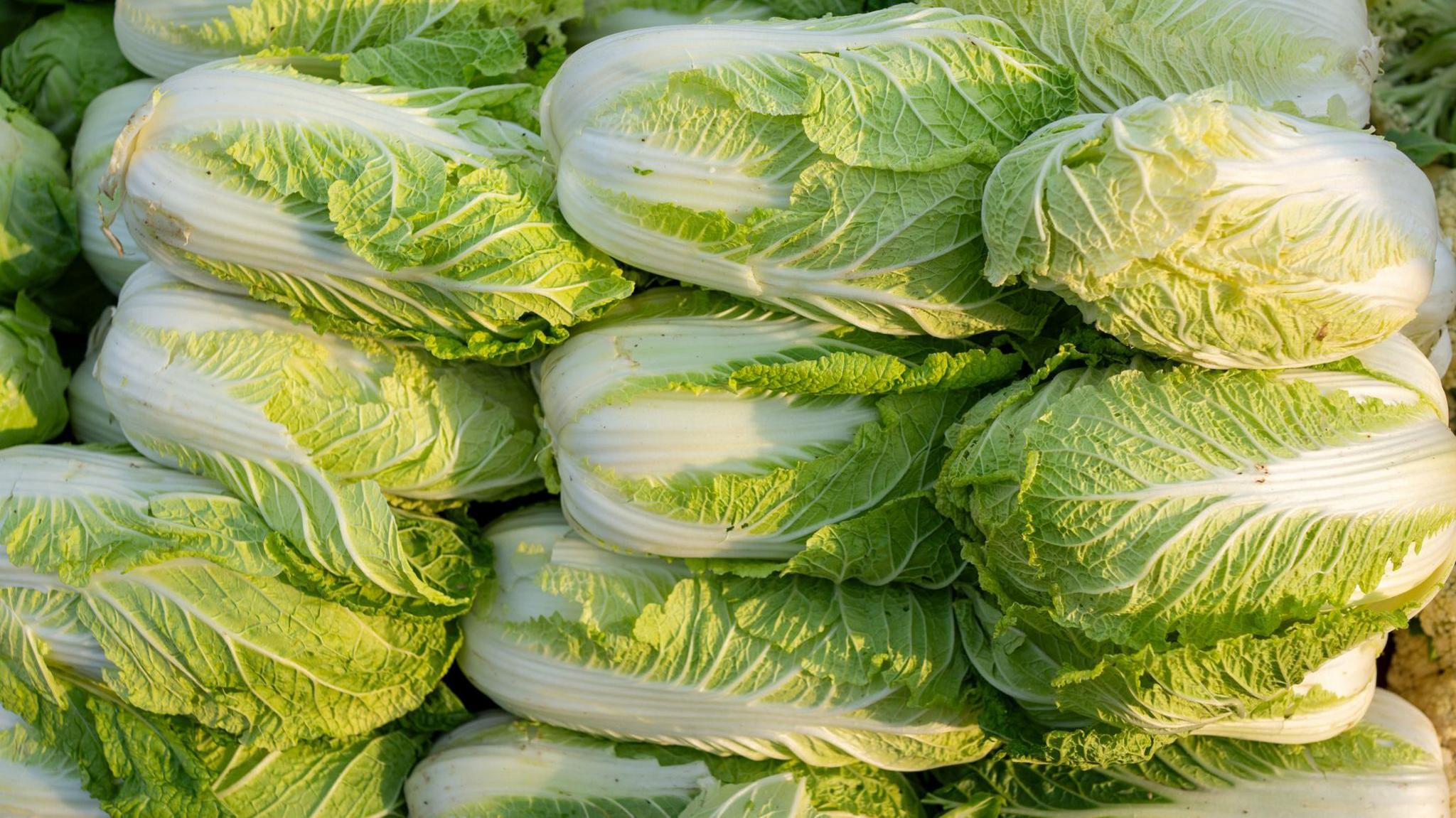
Authorities in China have launched an investigation into reports of formaldehyde being used to preserve the freshness of cabbages for human consumption.
Officials in the northeastern Hebei province confirmed that they had verified footage showing individuals dipping cabbages in a solution before loading them onto trucks for transportation.
An environmental blogger first released the footage last week, exposing a practice that is strictly prohibited in the country. Formaldehyde, a colourless chemical that can cause cancer, is banned for food preservation.
China is the world’s largest producer of cabbages, exporting the bulk of its production to neighbouring Asian markets.
Police have taken legal action against the people involved, according to state media, warning that violations will be harshly penalised.
To prevent panic and restore consumer confidence, officials are conducting spot checks on markets across the country.
Investigators are also looking into how widespread the practice is and will trace affected vegetables back to their source.
In a statement issued on Saturday, local authorities in Kangbao county said: "Any illegal or non‑compliant practices discovered will be dealt with strictly in accordance with the law to ensure the safety of the vegetable supply."
Xinfadi market in Beijing, one of the capital’s major fresh produce hubs, clarified that it had investigated the source of its cabbages and that none of the affected vegetables had entered its market.
The incident has attracted widespread media attention. An editorial in the People's Daily condemned the wholesalers for prioritising profits over consumer safety, calling the practice a breach of both legal and moral lines.
China produces over 30 million tonnes of cabbages annually—nearly half of the world’s total. Vietnam, South Korea and Russia are among the largest export destinations.
While high‑level exposure to formaldehyde has been linked to certain cancers, the health impact of low‑level exposure remains uncertain, according to the American Cancer Society.