In brief
China’s commerce ministry condemned the UK government’s decision to nationalise British Steel, saying it breaches the rights of the Chinese owner Jingye Group and undermines confidence in UK investment. The move follows Parliament’s approval of a public‑interest test that allowed the state to step in and protect a ‘vital national capability’. Jingye has previously warned it was losing around £700,000 a day, and is now seeking compensation. With the UK set to elect a new premier, the policy may test a fragile relationship between London and Beijing, especially as Britain looks to balance domestic protectionism with economic ties to China.
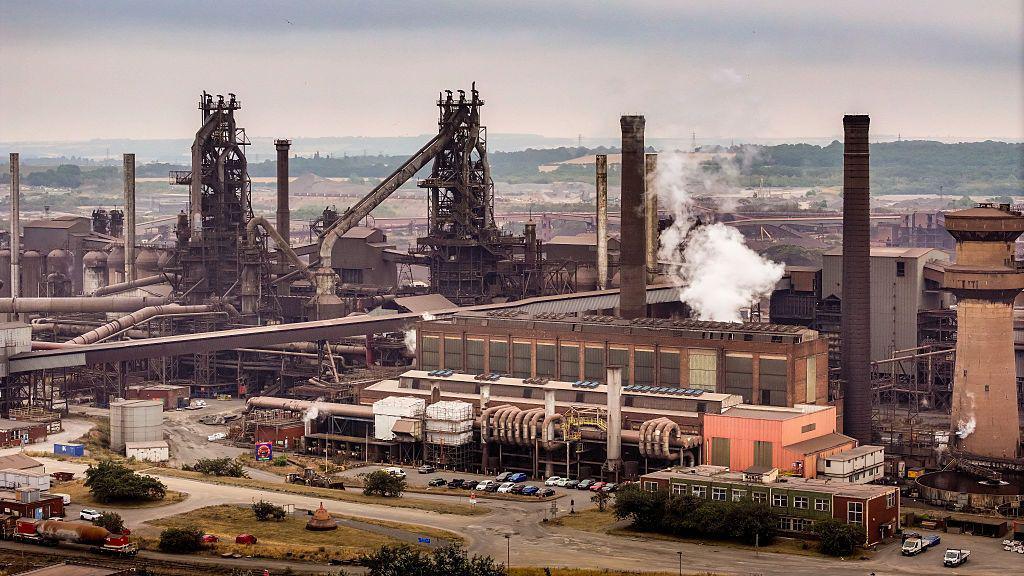
On Thursday, the UK government announced that taking the loss‑making steel group into public ownership would safeguard jobs and a "vital national capability." The decision, which follows Parliament’s passing of a special public‑interest test, raised eyebrows back in Beijing.
The China Commerce Ministry responded overnight, stating it was "firmly opposed" to the move and "strongly dissatisfied" with the British government’s action. It argued that the intervention seriously infringed on Jingye Group’s legitimate rights and interests, the Chinese company that owned the Scunthorpe plant.
Jingye has repeatedly warned that the business had been losing about £700,000 a day and is now appealing to the UK for compensation. The ministry urged Britain to "faithfully fulfil" its obligations under the China‑UK Bilateral Investment Treaty, signalling a potential diplomatic flare‑up.
The nationalisation means the UK now holds decisive control over the plant’s future, but the government has admitted the steelworks cost it over a million pounds a day. A March audit by the National Audit Office put the daily cost at roughly £1.3 million.
Business Secretary Peter Kyle confirmed that the state would cover the running costs for the immediate future, but long‑term operation is unlikely as the business remains deeply unprofitable.
With the forthcoming election of a new prime minister, the nationalisation could seriously test London‑Beijing relations just as Britain seeks to maintain robust trade links with the world’s second‑largest economy.
The UK’s takeover of the Scunthorpe steelworks has also coincided with an interactive visualisation of the nation’s steel production trends, available via an embedded tool that showcases production volumes and economic impact. The visualisation illustrates the broader shift in the UK steel industry as the government balances public control with sustainable economic outcomes.