In brief
Undercover footage from THQ Taunsa hospital in Punjab, Pakistan, exposes alarming medical practices, including the reuse of syringes, contributing to an outbreak of HIV among local children. The investigation highlights systemic issues in the healthcare system that may put patients at risk. Families of affected children express their heartbreak, emphasizing the emotional and physical distress caused by negligence in medical care.
Hospital at Centre of Child HIV Outbreak Caught Reusing Syringes in Undercover Filming
17 hours agoBy Ghazal Abbasi, Seamus Mirodan, and Mohammad Zubair Khan, BBC Eye, Punjab, PakistanWarning: This story contains details that readers may find distressing
Mohammed Amin was eight when he died shortly after testing positive for HIV.
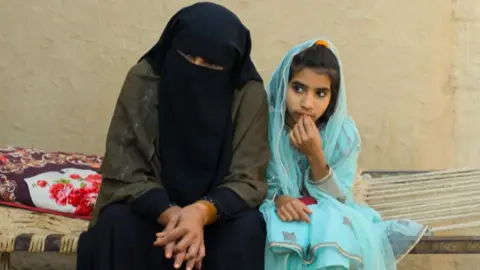
His fevers were so bad that he insisted on sleeping in the rain, and he writhed in pain like he'd been thrown in hot oil, says his mother, Sughra.
Not long after her brother contracted the virus, 10-year-old Asma was also diagnosed with HIV. Their family believes both children contracted it from injections with contaminated needles during routine medical treatment at a government hospital in Taunsa, Punjab.
They are two of at least 331 children who tested positive for HIV in Taunsa from November 2024 to October 2025. An investigation revealed that unsafe injection practices persisted at THQ Taunsa even after a promise of a crackdown by local authorities.
Undercover filming at THQ Taunsa showed syringes being reused on multi-dose vials, raising the risk of viral transmission among pediatric patients. During our investigation, we observed staff injecting patients without sterile gloves and neglecting basic hygiene protocols.
Dr. Altaf Ahmed, a leading infectious disease expert in Pakistan, confirms that reusing syringes can lead to virus transmission, emphasizing the significant risk these practices pose to patients.
Despite the alarming evidence, the hospital's administration has defended its practices, with the new medical superintendent, Dr. Qasim Buzdar, claiming the footage was either outdated or staged.
This situation highlights broader healthcare system issues within Pakistan, where inappropriate medical practices combined with systemic pressures exacerbate the risk to patients, especially vulnerable children.
Families affected by this outbreak, including Asma, who faces a lifetime of treatment, are left to cope with the stigma and emotional trauma associated with HIV.