In brief
The Montgomery Bus Boycott, which began on December 5, 1955, was a pivotal moment in the Civil Rights Movement, initiated after Rosa Parks was arrested for refusing to yield her bus seat. This anniversary brings together descendants of key figures and emphasizes the significance of collective action against injustice, echoing the call for activism in the face of modern corporate practices. Today’s youth continue to invoke the spirit of the boycott as they mobilize against policies perceived as exclusionary.
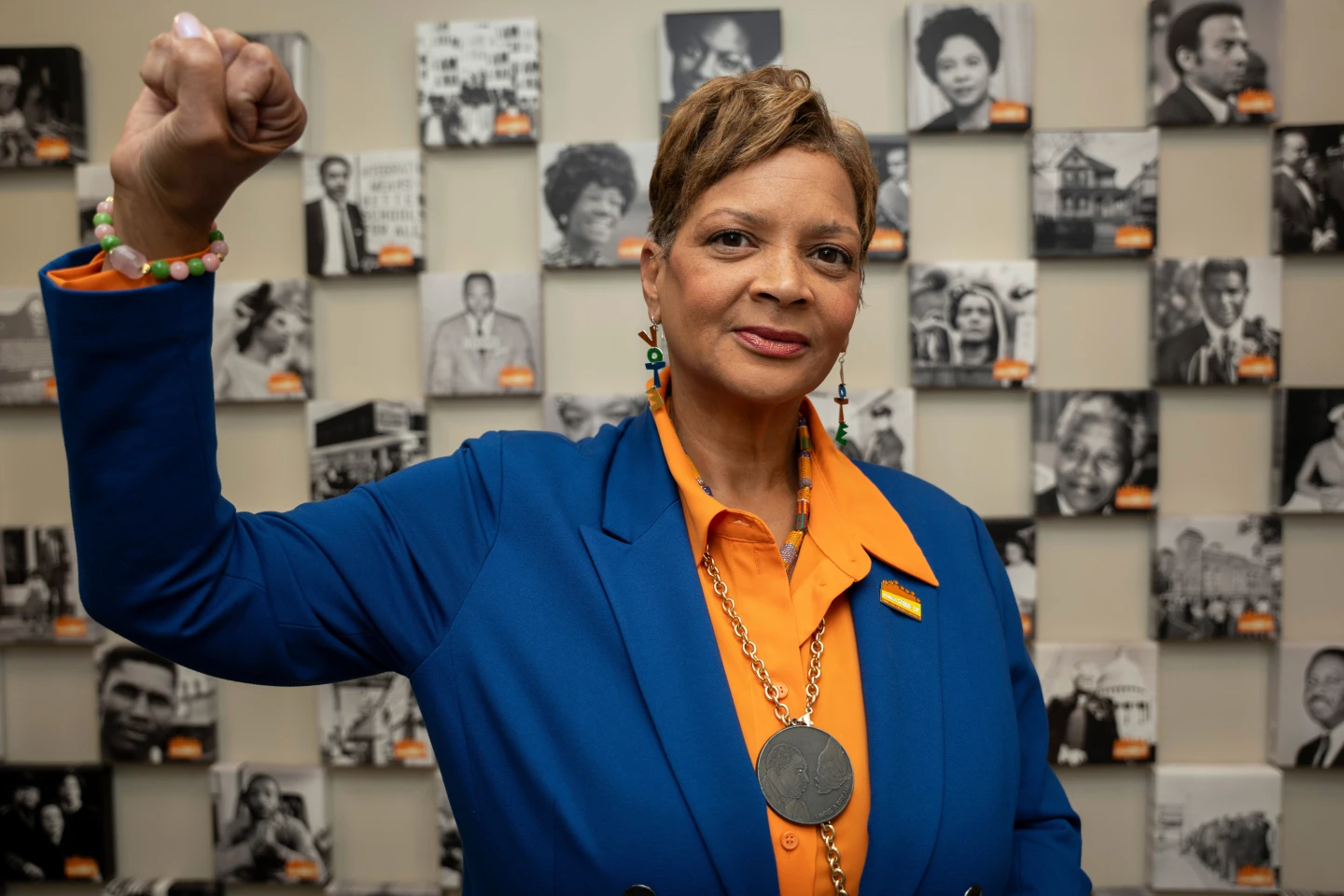
MONTGOMERY, Ala. — Doris Crenshaw was just 12 when she and her sister enthusiastically took to their neighborhood, distributing flyers that urged residents to boycott city buses starting December 5, 1955. The flyers declared, 'Don’t ride the bus to work, to town, to school or any place on Monday,' framing it as a call for action following Rosa Parks' arrest for refusing to give up her seat to a white passenger.
The boycott lasted for 381 days, with around 40,000 Black residents refusing to use the segregated buses, opting instead for car pools or walking until legal challenges finally defeated the bus segregation laws.
As the boycott celebrates its 70th anniversary, those involved, including Crenshaw, now 82, reflect on the resolve and discipline it took to maintain the protest. Many descendants of civil rights figures are set to reunite in Montgomery, highlighting the importance of sustained nonviolent protest and economic pressure, elements that remain crucial in modern activism.
'Everywhere you go, people say they are inspired by Mrs. Parks and by what happened with the Montgomery Bus Boycott,' Crenshaw noted, recalling the community's commitment to change.
The legacy of the boycott serves as a reminder of the continuous struggle for racial equality and the potential for collective action to drive social change. Activists today, like young Madison Pugh, draw inspiration from the lessons of the past, seeking to make their voices heard against corporations that undermine inclusion.
‘The job will never be finished,’ noted Pugh, recognizing that the activism started in Montgomery is ongoing, echoing the call for future generations to keep pushing for progress.'