Burkina Faso’S New Gold Refinery: A Step Toward Economic Sovereignty
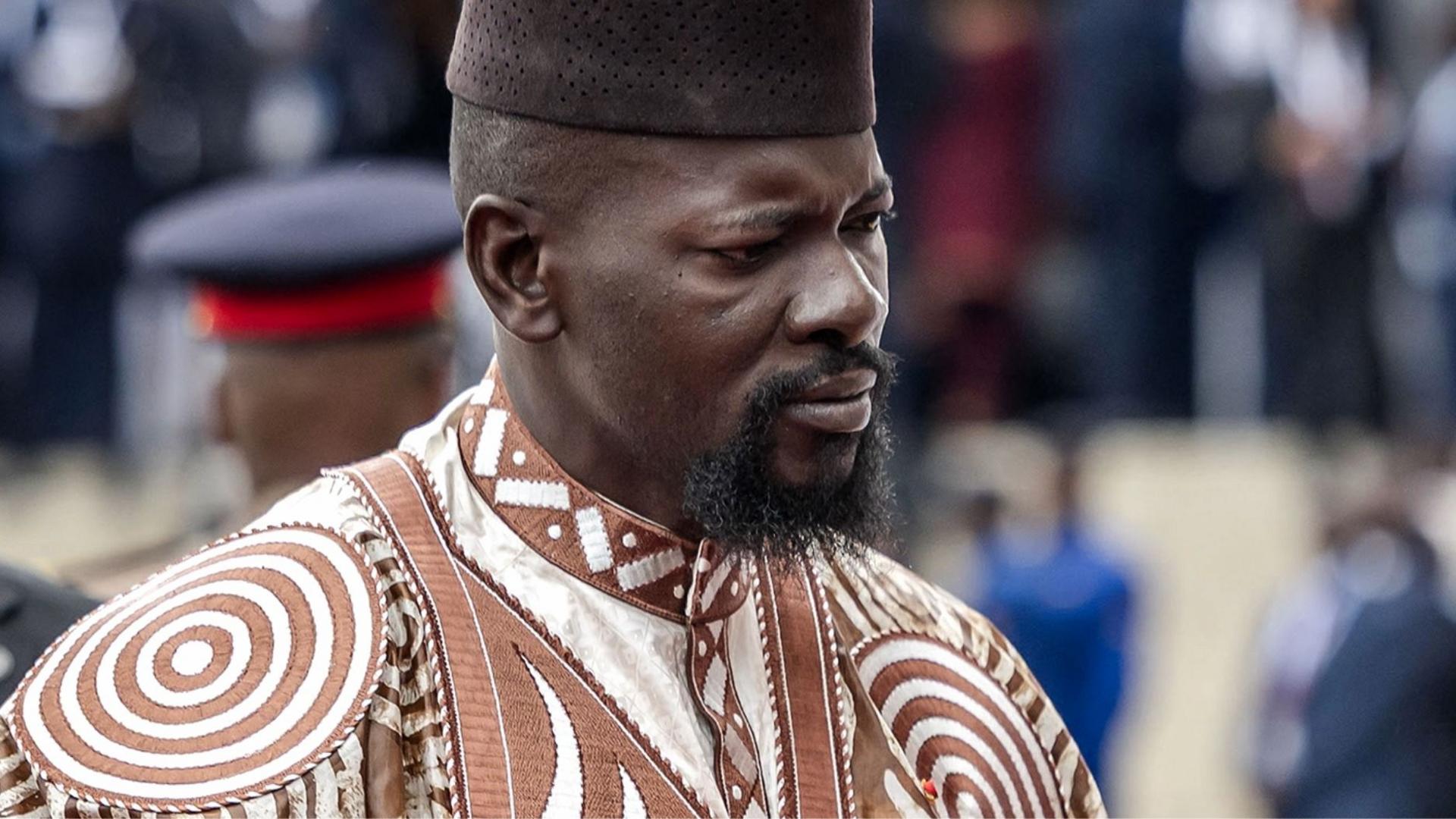
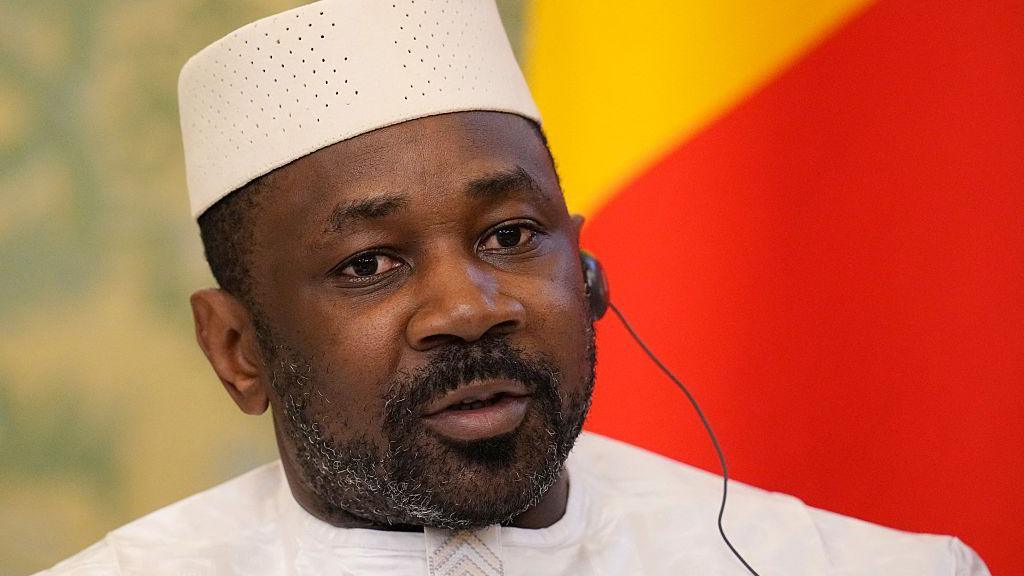
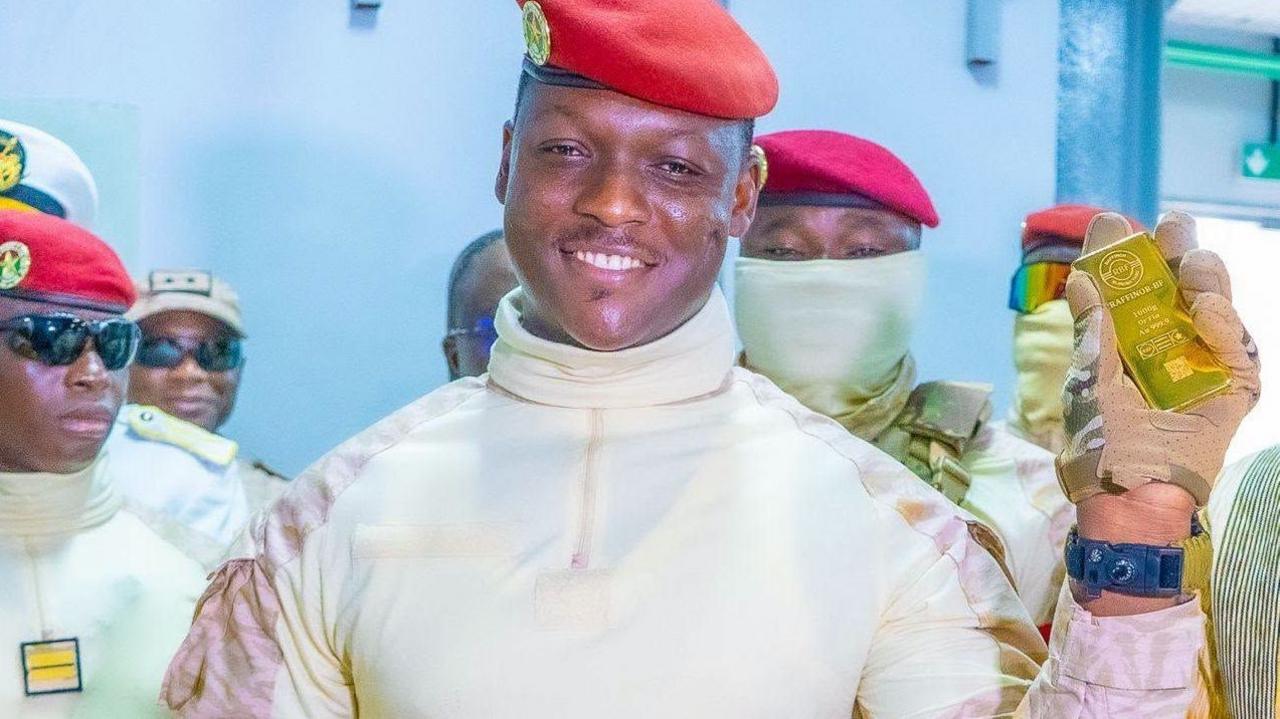
In Ouagadougou, junta leader Captain Ibrahim Traoré inaugurated the nation’s first gold refinery, signalling a shift from exporting raw gold to processing it on the ground.
The state‑owned plant, called Raffinor‑BF, can refine 164 tonnes a year, with plans to ramp up to 515 tonnes, positioning Burkina Faso as a regional refining hub.
Traoré’s move follows the government’s 2024 ban on artisanal gold exports, aimed at curbing illicit trade and preventing extremist financing.
The refinery is financed by the government through Sonasp and private partners, and it is part of a broader strategy to give local workers training and secure a 15% stake for the state in foreign mining firms.
Analysts note that Burkina’s refined output could remain a function of domestic volume, but the facility also expects to process gold from neighbouring West African countries, aligning with regional trends such as Mali, Guinea, and Ghana’s own refining ambitions.
With gold prices at record levels, the refinery could lift local incomes while safeguarding national resources, though critics warn that resource nationalism may stifle foreign investment.