In brief
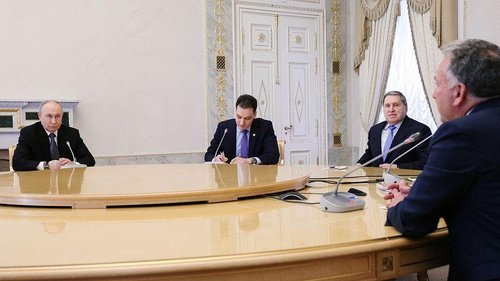
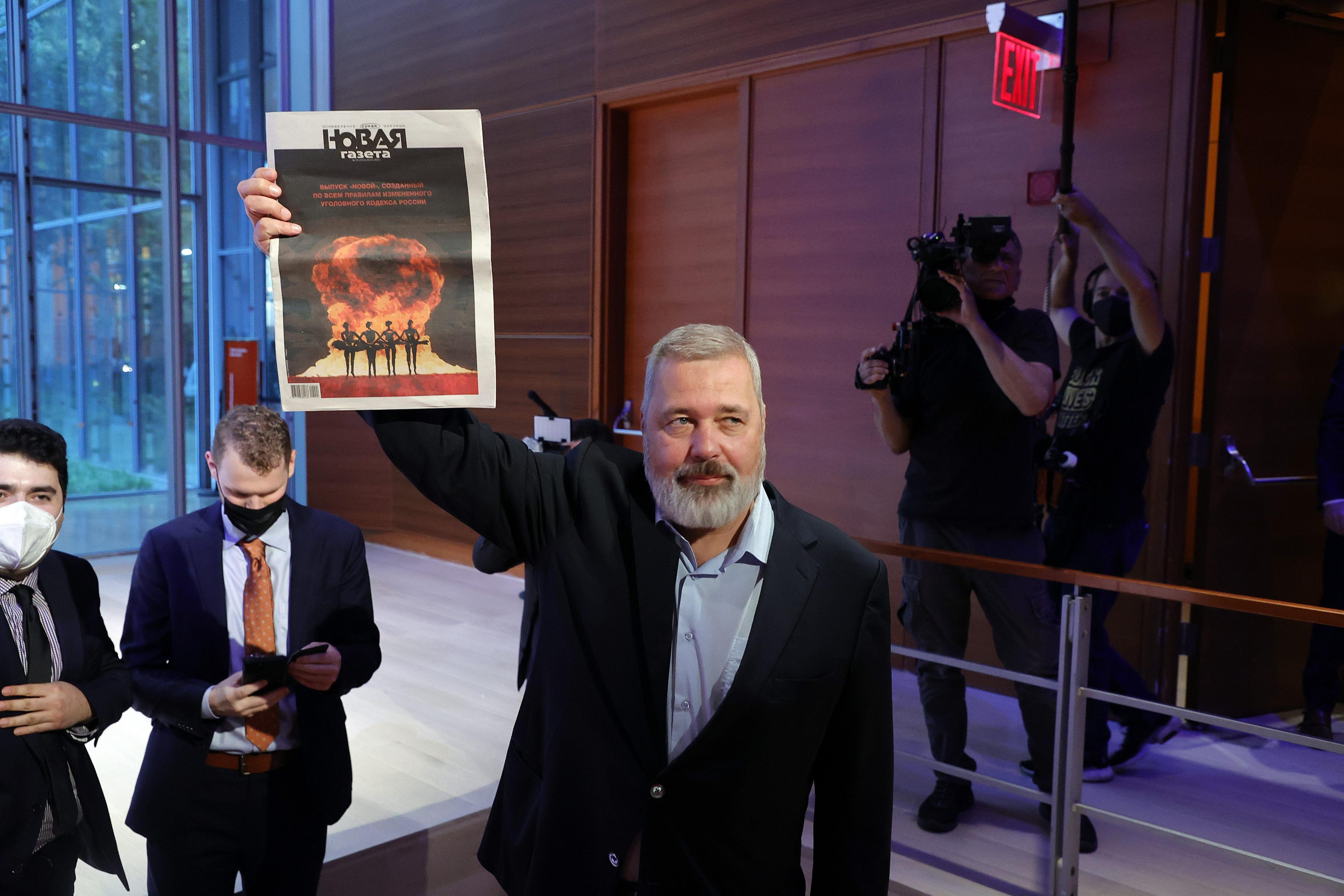
Nobel Peace Prize winner Dmitry Muratov delivers an exclusive BBC interview from the abandoned offices of Novaya Gazeta, Russia’s once‑flourishing independent newspaper. He details how the Kremlin seized its printing presses, shut down its website and descended into a campaign of arrests that has seen over 1,500 critics imprisoned since the 2022 invasion. Muratov urges that the war cannot be considered a victory, arguing it has only destroyed lives and will, in his words, “only be conquered by nuclear escalation.” The interview highlights the chilling reality of press freedom in Russia and the personal cost to those who dare speak out.
A Nobel laureate confronts the Kremlin’s press silence
From the silent corridors of Novaya Gazeta’s Moscow office on 13 August 2026, Dmitry Muratov speaks out about the fate of independent journalism in Russia.
The newspaper that once shouted its truth is now a story in ruins
The king‑maker of Novaya Gazeta, founded over 30 years ago, was nationalised; its printing presses reassigned to state ownership and its registration revoked. Only a fragile shadow remains online, once accessed only outside Russia or behind a VPN.
“The paper’s website is blocked,” Muratov says. “It can be reached from abroad, but not from inside.”
The scale of repression
Muratov’s Nobel Peace Prize, awarded in 2021 for safeguarding freedom of expression, was not a shield. He recounts that since February 2022 at least 1,500 voices, from journalists to ordinary citizens, have been imprisoned for opposing the war, a figure that eclipses the Soviet era’s 600–700 political prisoners.
“Putin’s campaign is a blood‑shed that will never amount to victory.” – Dmitry Muratov
Will the Kremlin truly use nuclear weapons?
Muratov dismisses claims that Putin has a nuclear strategy, calling them “charlatanry.” He notes, however, the state media’s repeated mention of nuclear deterrence as “good” and the grim reality of nuclear escalation even as the war drags on.
Prisoners of conscience and the price of dissent
Muratov spreads a collection of photographs: journalists convicted of extremism, a mayor jailed for calling out the war, a pianist arrested after anti‑war videos. One image shows the body of Pavel Kushnir, who died in a pre‑trial detention centre during a hunger strike.
“When people are warned that speaking out is a risk, it becomes a silence that no one can escape.” – Dmitry Muratov
Although Muratov faces the “foreign agent” label – which curtails teaching, voting and asset access – he remains resolute about journalism’s role in truth‑finding and hope.