In brief
Over a month ago, three drug‑related shootings erupted in St Gilles, turning a local pizzeria into a crime scene. Salvatore, the restaurant owner, laments the violence that has seeped into daily life. Residents recount a surge in drug deals and the fear of gang clashes, prompting police chief Jurgen de Landsheer to warn of an escalating crisis. The interior minister announced the deployment of 40 extra officers, yet authorities emphasize that preventive measures and youth engagement are essential to curb the violence.
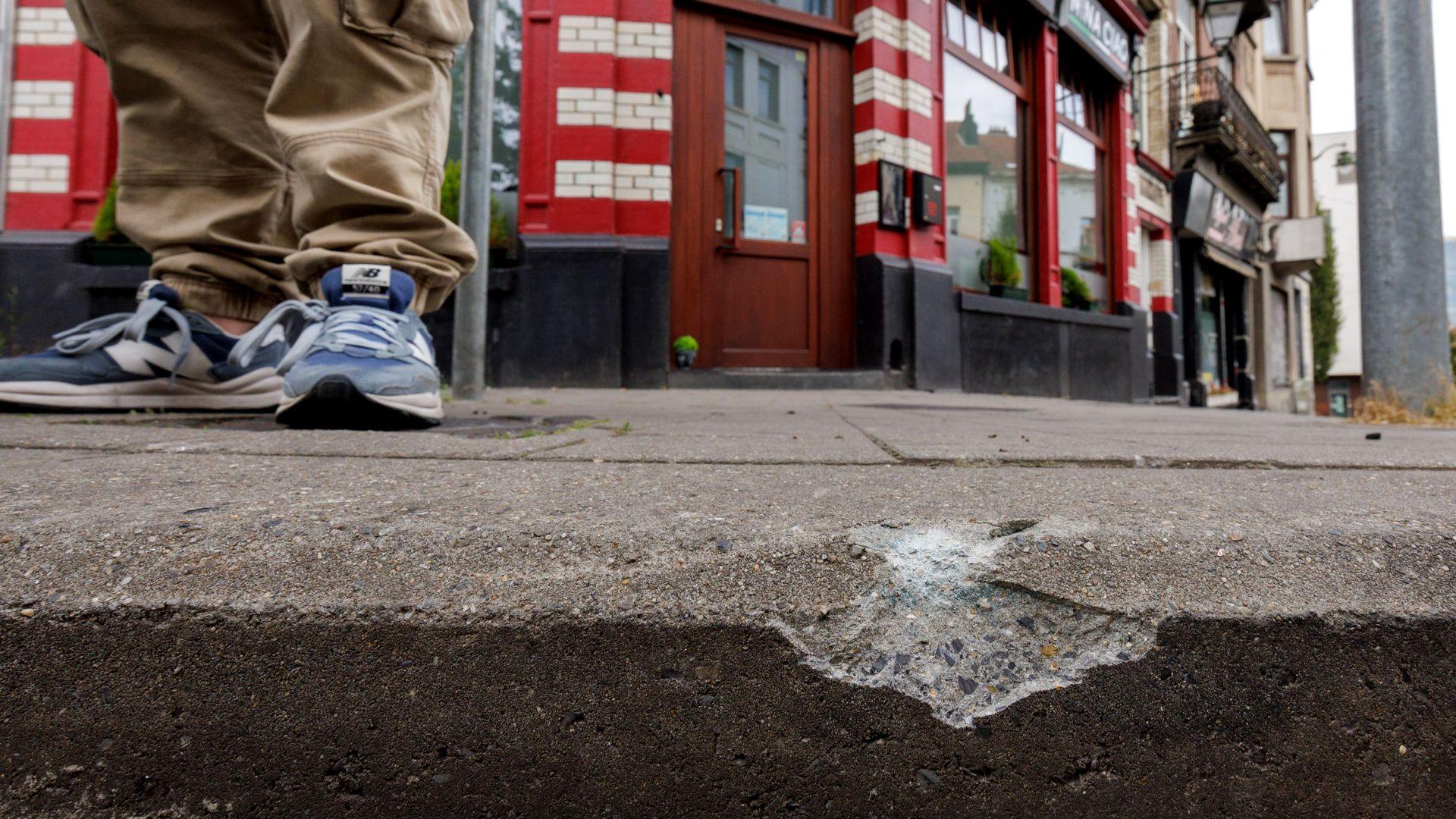
Late last Monday night, gunfire erupted at Salvatore’s pizzeria in the heart of St Gilles, a bustling square near Brussels’ Midi train station. The owner, a quiet man with a rough beard, said a burst of smoke and distant shouts pierced his kitchen, and he was left standing on the floor as the building bore fresh bullet marks.
"We dropped to the floor. I had clients eating on the terrace with children. Look, we can see the bullet impacts everywhere," Salvatore recalled, his words echoing the panic of locals.
A rise in drug‑related skirmishes has become the new norm for the capital. In 2025 Brussels recorded over 100 shootings, and the first half of 2026 has already seen more than 65 incidents. The St Gilles outbreak is the third in just three days, spiking concerns across the city.
“We’re in an American gangster movie. This needs to stop," Salvatore added, his voice trembling as neighbours whispered that property values were dropping and the streets felt unsafe.
Nearby, 70‑year‑old Murielle and her dog Cheva sit in a small garden, still haunted by the bloodstains from an earlier hit on a suspected drug dealer. She says the neighbourhood “used to be a little village inside the city” and that even the dealers once behaved politely, a trait that now seems forgotten.
Municipal authorities claim the problem stems from the sheer profit of drug trade. Police chief Jurgen de Landsheer noted that a lucrative point can fetch more than €50,000 a day, fueling rival gang wars. He warned that killers are increasingly targeting police, with a recent assault on a police station highlighting violence against law enforcement.
The escalation has prompted the interior minister to deploy 40 additional officers to the crisis zones. “There is no magic solution. We need prevention over repression,” de Landsheer explained. The chief urged the community to reach out to youth, offering opportunities and a future to counter the lure of quick money from drugs.
In St Gilles, residents say they will not be intimidated. They pledge to protect their homes, maintain resilience, and hope that the worst is behind them. Brussels, however, must balance patrols with preventative social programs to stem the tide of violence before it becomes another story in the city’s dark history.