Bill Gates Faces Up to Congressional Questions Over Jeffrey Epstein Ties
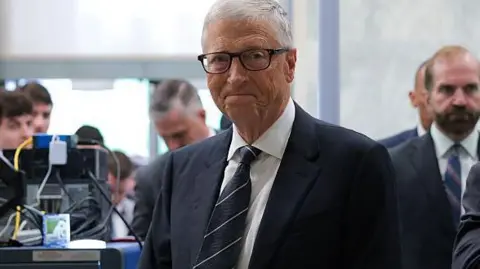
On a Thursday morning, the Microsoft co‑founder stepped into the Capitol Hill hall to answer a series of questions posed by House Oversight Committee members about his past relationship with the late convicted sex offender Jeffrey Epstein.
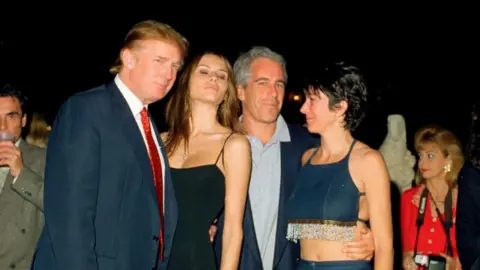
The scrutiny comes only weeks after the U.S. Department of Justice released more than three million pages of emails, photographs and other documents that mention Gates with almost limitless detail. In a few brief, but key moments, the briefing released images that show Gates standing beside the financier on a private jet, a picture that has sparked widespread concern.
From the outset, Gates has upheld that the contact was purely philanthropic – a conversation over the possible funding of his charitable ventures – and that any association failed to advance. Yet, on two separate occasions, Gates has confirmed that he “regret[s]” spending time with Epstein.
First Question: Why Allow a Known Sex Offender into His Circle?
Committee chair Robert Garcia opened the session with a pointed inquiry: “Why did you become acquainted with a man who was already convicted of molestation?” Gates responded that his relationship began in 2011, three years after Epstein’s Florida convictions, and that he had initially sought possible philanthropic support. “It was a conversation about ideas; it didn’t materialise,” he told reporters, stepping into the hearing room with a measured tone. The question remains whether Gates overlooked the growing public awareness of Epstein’s crimes during their association.
Second Question: Why Sufficiently Ignore Epstein’s Past?
During a staff meeting at the Gates Foundation in February, he admitted he was aware of an 18‑month restriction on Epstein’s travel but claimed he did not “check the background thoroughly.” Lawmakers expect the committee to probe how Gates, a prominent tech figure, could remain uninformed about the details of a man who had already faced federal charges. Questions to the Foundation team will also address whether the organization pursued any indirect or direct funding from Epstein or if those behind the foundation might have been influenced by the association.
Third Question: Was there Any Mutual Influence or Black‑mail?
The Committee’s request for Gates’ presence was based on a theory that Epstein could have leveraged Gates’ global reputation to advance illegal schemes. Gates’ own statements indicate a focus on raising money for health initiatives, but the inclusion of an alleged STI and the press reporting by the DOJ raise the stakes. The meeting may result in questions as to whether Epstein attempted to “blackmail” Gates or coerce him into shady collaborations. With senators, journalists, and a livestreamed feed to the nation, the session will answer whether Gates ever felt pressured, or if the ties were strictly philanthropic.
The questions posed to Gates mean more than a single narrative; they highlight the intertwining of philanthropy, personal ties and a dark history that has come to light after a flood of DOJ documents. As the committee’s line of inquiry expands, the public questions what it means for a global benefactor to associate with a disgraced figure and whether the Senate’s search for truth will hold Gates accountable or remain limited to a statement of regret.