In brief
As of January 1, 2026, classic characters Betty Boop and Blondie will enter the public domain, enhancing the ongoing trend of valuable intellectual property becoming free for public use. Jennifer Jenkins from Duke University highlights the significance of Public Domain Day, with familiar cultural icons like Mickey Mouse and Winnie the Pooh recently following suit.
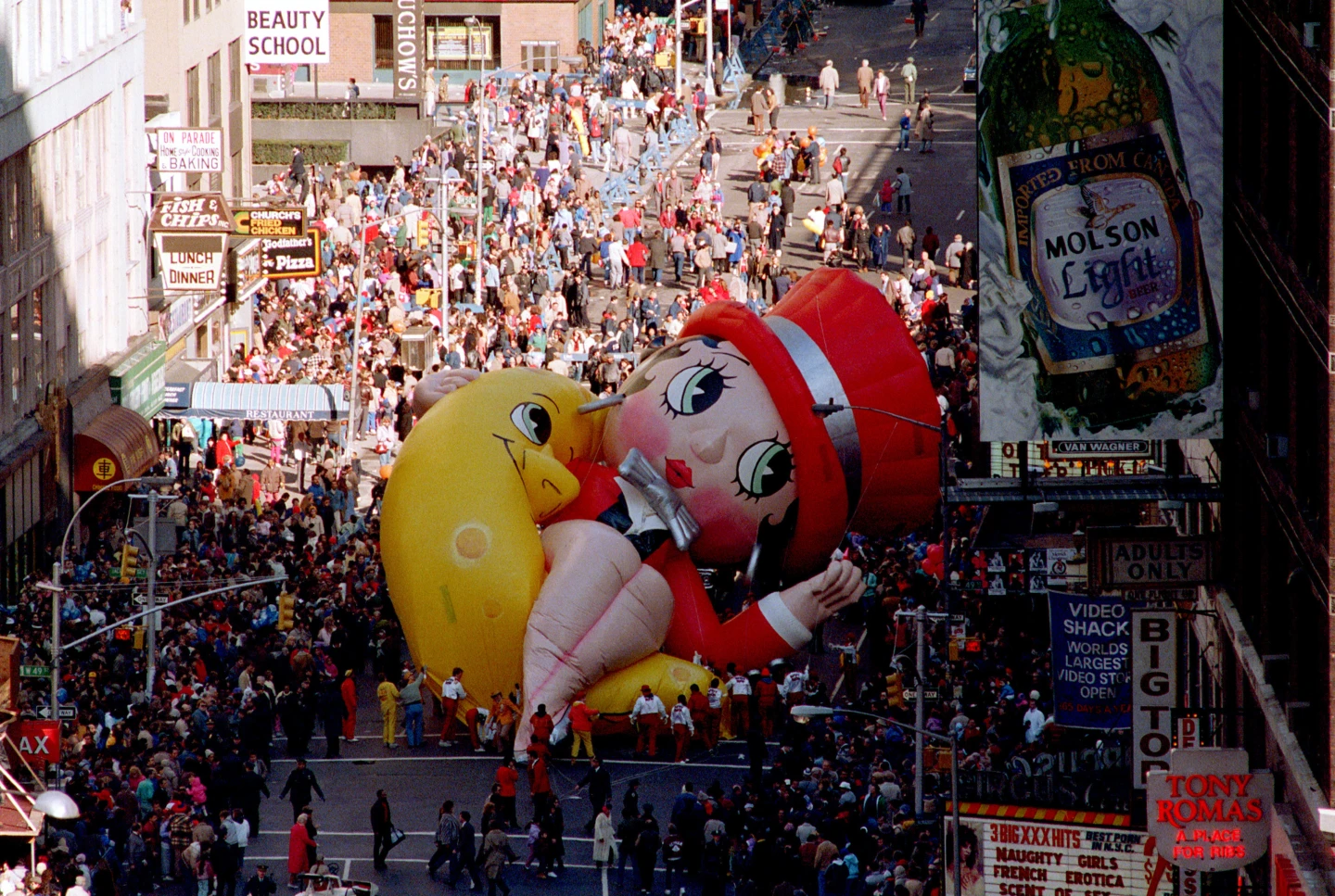
LOS ANGELES (AP) — Betty Boop and “Blondie” are joining Mickey Mouse and Winnie the Pooh in the public domain. The first appearances of these classic cartoon and comic characters will be free for creators to use and repurpose without needing permission or payment starting January 1, 2026.
After a recent resurgence of popular pieces entering the realm of public domain, this continues a yearly trend building on 20 years of drought in intellectual property availability. Each year since 2019 has brought a new essence of cultural history into the public's reach.
“It’s a big year,” stated Jennifer Jenkins, director at Duke University’s Center for the Study of the Public Domain. For many, January 1 arrives not just as New Year’s Day but also as the celebrated Public Domain Day.
2026 promises more than just nostalgia; it represents a reclamation of culture for artists and creatives across the globe.
Jenkins adds that this year’s crop of characters reflects a distinct cultural period: “You can see the fragility that was between the two wars and the depths of the Great Depression.”
Specifically, characters like Betty Boop, who first appeared in the 1930 cartoon “Dizzy Dishes,” held significance being tied to cultural movements, while Blondie dates back to the 1930 comic strip by Chic Young focused on the everyday adventures of Dagwood Bumstead and his wife.
As creators gear up for 2026, both characters can inspire innovative projects and artistic expressions previously restricted by copyright, ushering in a new wave of creative freedom.