In brief
Critics emphasize the need for genuine female representation in discussions surrounding women's issues in Somalia.
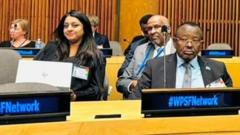
In a recent UN meeting focused on women's issues, outrage has surged across social media after Somalia's Family Minister, Gen Bashir Mohamed Jama, posted photos of himself alongside another male delegate representing Somalia. Many observers deemed it “tone-deaf” for the Somali government to have men at the forefront of a critical conversation about women's rights. Fathiya Absie, a prominent Somali author and human rights advocate, decried the decision, highlighting the issue of female representation in government processes.While a senior civil servant indicated that the delegation included two female members alongside Jama and his aide, the absence of their images in the conference promotion further fueled the outcry. Of the 197 delegates from 57 countries, only 21 were male, raising questions regarding Somalia's commitment to women's issues. Many Somalis expressed ridicule online, arguing that the government does not take these issues seriously. Critics point to Gen Jama's prominent position within the Ministry of Family and Human Rights Development after the controversial decision in July to rename what was previously the Ministry of Women and Human Rights Development. This rebranding has been interpreted as a marginalization of women's specific needs and struggles.Women in Somalia, who have historically played crucial roles in peacebuilding and leadership, find themselves increasingly sidelined in political influence. Absie commented on the diminishing roles for women, stating that ministries and leadership positions have shifted towards male representation.Supporters of the government have defended the decision to have men in charge, citing experience. However, the clamor for increased female representation is growing, with promises from officials like Mohamed Bashir to take steps toward enhancing women’s roles in future discussions and decision-making processes. As the conversation unfolds, it remains clear that the need for genuine inclusion of women in matters concerning their rights is more urgent than ever.