In brief
After significant public pressure, the Australian government has rolled out new restrictions on gambling advertisements, including limitations on airtime and content featuring celebrities. While the measures faced resistance from gambling and media sectors, advocates for stricter regulations argue the reforms fall short of what is needed to protect vulnerable audiences, especially children.
The Australian government has announced long-awaited gambling advertising reforms, after years of public pressure.
The suite of measures will further limit when and where gambling ads can appear, as well as who can star in them - but it stops short of a full ban, which had cross-party support and the backing of a range of community groups.
Restrictions have been fiercely opposed by powerful gambling agencies, as well as media firms and sports organisations who feared a steep revenue hit.
Australians lose more money to gambling, per capita, than anywhere else in the world.
A number of countries - like Italy, Belgium and Spain - have introduced total or near-total bans on gambling advertising, and a parliamentary inquiry weighing up reform in Australia recommended similar more than 1000 days ago.
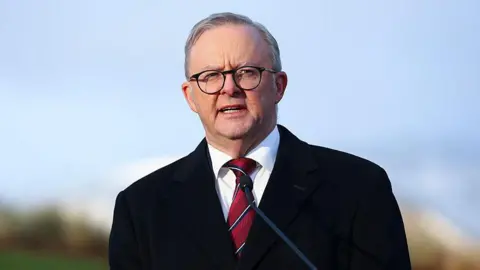
In a speech to the National Press Club on Thursday, Prime Minister Anthony Albanese said his government was getting the balance right with this package.
Letting adults have a punt if they want to, but making sure our children don't see betting ads everywhere they look.
Under the reforms, from January 1:
- TV ads from betting agencies will be capped at three per hour, between 6am and 8:30pm, and banned completely from any live sports broadcasts during those hours.
- Gambling ads will be banned from radio during school pick-up and drop-off times.
- Celebrities and sports players will not be permitted to appear in gambling advertising.
- Gambling ads on online platforms will be banned, unless people have a logged-in account, are over 18 and have the option to opt-out.
- Gambling ads will be outlawed in sports venues and on players' and officials' uniforms.
The government will also crack down on illegal, offshore gaming sites, and ban more types of online gambling - like Keno and apps and websites modelled on poker machines.
The measures have already prompted backlash from voices in the gambling industry.
In a statement, Responsible Wagering Australia - the peak body for betting agencies - said the new measures are draconian and set a dangerous precedent.
He accused the government of blindsiding a sector that supports 30,000 jobs and provides critical funding to sport, racing and broadcast industries.
Many of those advocating for change were also unhappy, believing the proposed changes don't go far enough. Imagine three cigarette ads per hour, Reverend Tim Costello said.
Australian children deserve to grow up in a country that puts their wellbeing before corporate profits.
Similarly, Australian Medical Association vice-president Julian Rait in a statement declared that partial bans do not work.
Anything less than a comprehensive ban will continue to expose Australians - especially children - to relentless gambling promotion, he said in a statement.