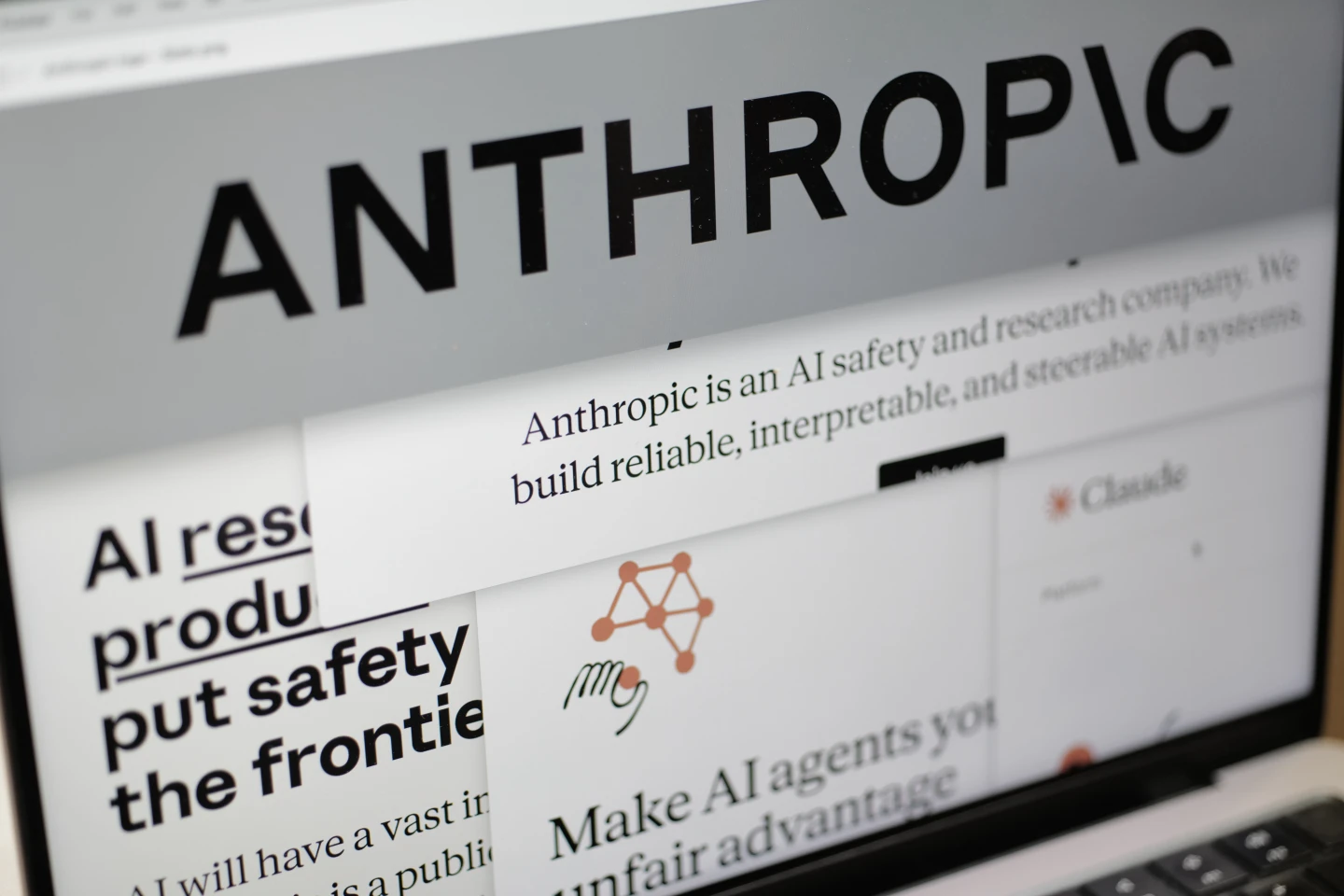
The US artificial intelligence (AI) firm Anthropic is looking to hire a chemical weapons and high-yield explosives expert to try to prevent 'catastrophic misuse' of its software. In other words, it fears that its AI tools might tell someone how to make chemical or radioactive weapons, and wants an expert to ensure its guardrails are sufficiently robust.
In the LinkedIn recruitment post, the firm says applicants should have a minimum of five years experience in 'chemical weapons and/or explosives defence' as well as knowledge of 'radiological dispersal devices' – also known as dirty bombs. The firm told the BBC the role was similar to jobs in other sensitive areas that it has already created.
Anthropic is not the only AI firm adopting this strategy. A similar position has been advertised by ChatGPT developer OpenAI, which lists a job vacancy for a researcher in 'biological and chemical risks,' with a salary of up to $455,000 (£335,000), almost double that offered by Anthropic.
However, some experts are alarmed by the risks of this approach, warning that it gives AI tools information about weapons even if they have been instructed not to use it. Dr. Stephanie Hare, a tech researcher, questioned the safety of using AI systems to handle sensitive chemicals and explosives information, saying, 'There is no international treaty or other regulation for this type of work and the use of AI with these types of weapons.'
The issue has gained urgency as the US government calls on AI firms while launching military operations in various regions. Anthropic's actions show the complex intersection of AI development, safety concerns, and governmental policies in today's tech landscape.
In the LinkedIn recruitment post, the firm says applicants should have a minimum of five years experience in 'chemical weapons and/or explosives defence' as well as knowledge of 'radiological dispersal devices' – also known as dirty bombs. The firm told the BBC the role was similar to jobs in other sensitive areas that it has already created.
Anthropic is not the only AI firm adopting this strategy. A similar position has been advertised by ChatGPT developer OpenAI, which lists a job vacancy for a researcher in 'biological and chemical risks,' with a salary of up to $455,000 (£335,000), almost double that offered by Anthropic.
However, some experts are alarmed by the risks of this approach, warning that it gives AI tools information about weapons even if they have been instructed not to use it. Dr. Stephanie Hare, a tech researcher, questioned the safety of using AI systems to handle sensitive chemicals and explosives information, saying, 'There is no international treaty or other regulation for this type of work and the use of AI with these types of weapons.'
The issue has gained urgency as the US government calls on AI firms while launching military operations in various regions. Anthropic's actions show the complex intersection of AI development, safety concerns, and governmental policies in today's tech landscape.