In brief
Artificial‑intelligence (AI) companies are pushing San Francisco real‑estate prices to unprecedented heights. A three‑bedroom apartment in the Duboce Triangle was listed for almost $3 million and attracted a buyer who offered to settle with a combination of cash and shares in OpenAI and Anthropic. Redfin data shows the city’s median sale price has climbed 19% year‑on‑year, reaching $1.76 million by May. Experts note that high salaries, generous signing bonuses, and abundant stock options are inflating demand, while a limited supply of housing keeps the market tight. However, amid large AI IPOs and layoffs by other tech giants, the future balance of buyer power remains uncertain.
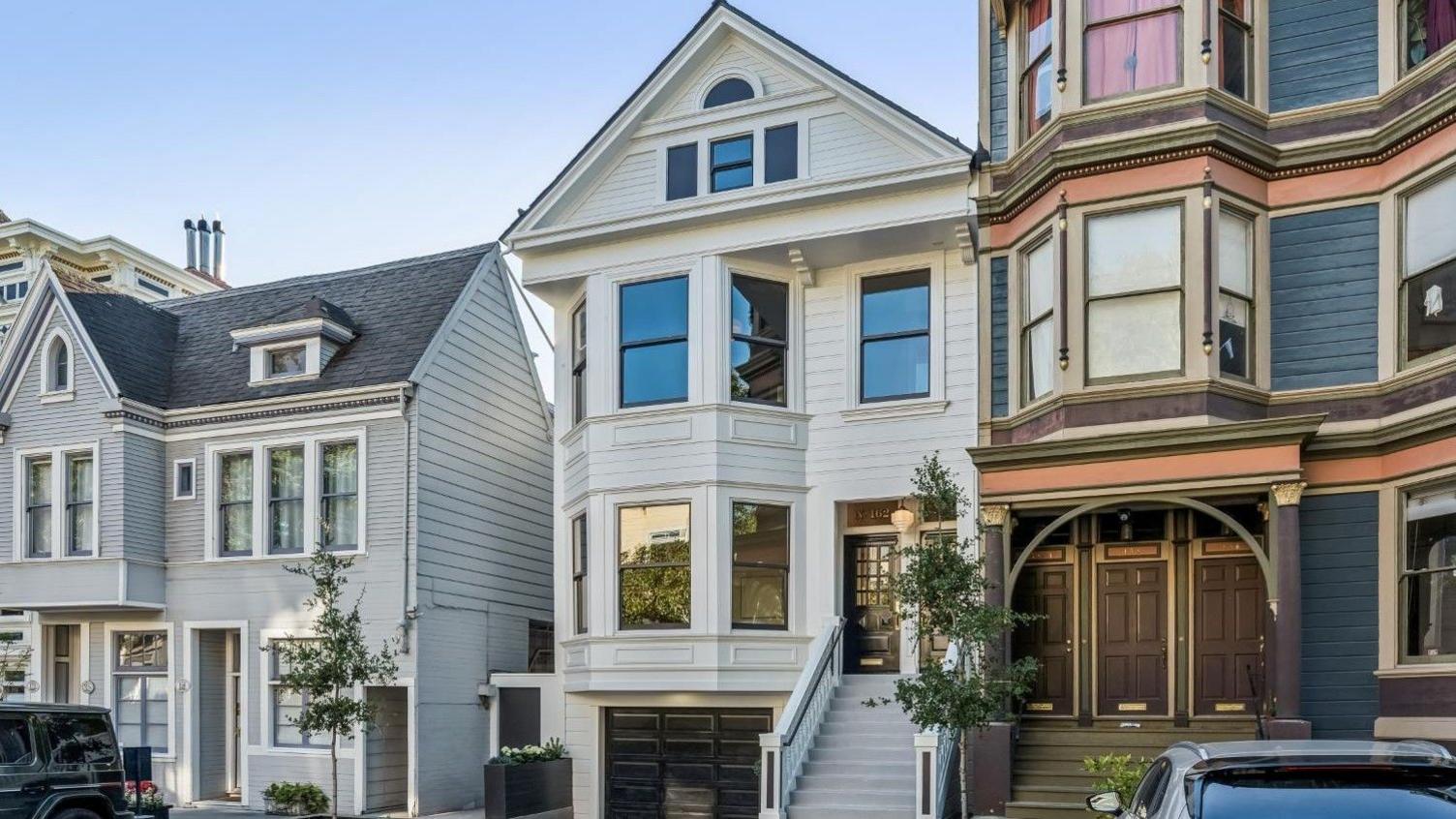
On a tree‑lined street in San Francisco’s Duboce Triangle, a white, Edwardian‑era, detached house was on the market for almost $3 million, its top half a three‑bedroom apartment. A young employee of OpenAI arranged a viewing and expressed interest in buying, but with a twist: he suggested that payment could be partly settled with shares in his employer, OpenAI, or in nearby Anthropic.
The offer came at a time when San Francisco has become the hottest real‑estate market in the United States, with the median sale price rising 19% year‑on‑year and reaching a record $1.76 million by May. According to Redfin, the city’s price growth outpaces the national average and is driven mainly by buyers from the AI industry.
“They are just astronomical,” said Daryl Fairweather, chief economist at Redfin. “People are flush with cash and ready to buy.” Fairweather added that the luxury zip codes of the Bay Area, which include the Duboce Triangle, have seen a steep jump in prices since ChatGPT was launched in late 2022, a trend not seen in cities with less AI wealth.
Redfin data also shows that the city’s median home price has jumped 14% in April and 14.1% in May, with the most recent six‑month average staying above $1.5 million. While overall U.S. prices rose only 1.4% in March and 2% in both April and May, San Francisco’s market surged against all odds.
Besides salaries, AI workers are receiving generous stock options, allowing them to partially cash out through limited share sales. In October, more than 600 OpenAI employees sold shares worth $6.6 bn, an average of $11 m each, while at Anthropic, in‑company employees were reported to have sold shares totaling about $6 bn.
Experts warn that as AI companies move toward full stock‑market flotations later this year or next, the influx of wealth could keep driving up prices. “Today’s bidding wars are going to be seen as bargains,” said Rachel Swann, the listing agent for the Duboce property. “They already are.”
Meanwhile, the city’s supply of homes remains chronically limited, with a high proportion of renters and difficulty building new housing. This scarcity, combined with the influx of AI money, means that many families are being priced out of the city. Two families with school‑aged children were able to purchase single‑family homes in more family‑friendly neighbourhoods thanks to an AI‑related stock sale, while a second family—without AI income—had to relocate to the suburbs.
“If we could have afforded to stay, we wouldn’t have left,” the mother of the second family said. She added, “It kind of sucks seeing all this extra AI money squeeze everyone else out.”
In the end, the Duboce‑Triangle flat sold for $3.2 million, $200,000 over the asking price, and the deal remains confidential regarding whether AI stock was part of the payment.