In brief
Donald Trump announced a policy shift toward tighter AI regulation following a spate of hacking events involving OpenAI tools. He emphasized the need for careful control to avoid falling behind China in tech leadership. The White House had previously adopted a hands‑off stance, but recent threats and accusations of industrial theft have prompted reconsideration. The administration is also confronting sanctions concerns over Chinese AI firms and regulatory actions against foreign robots.
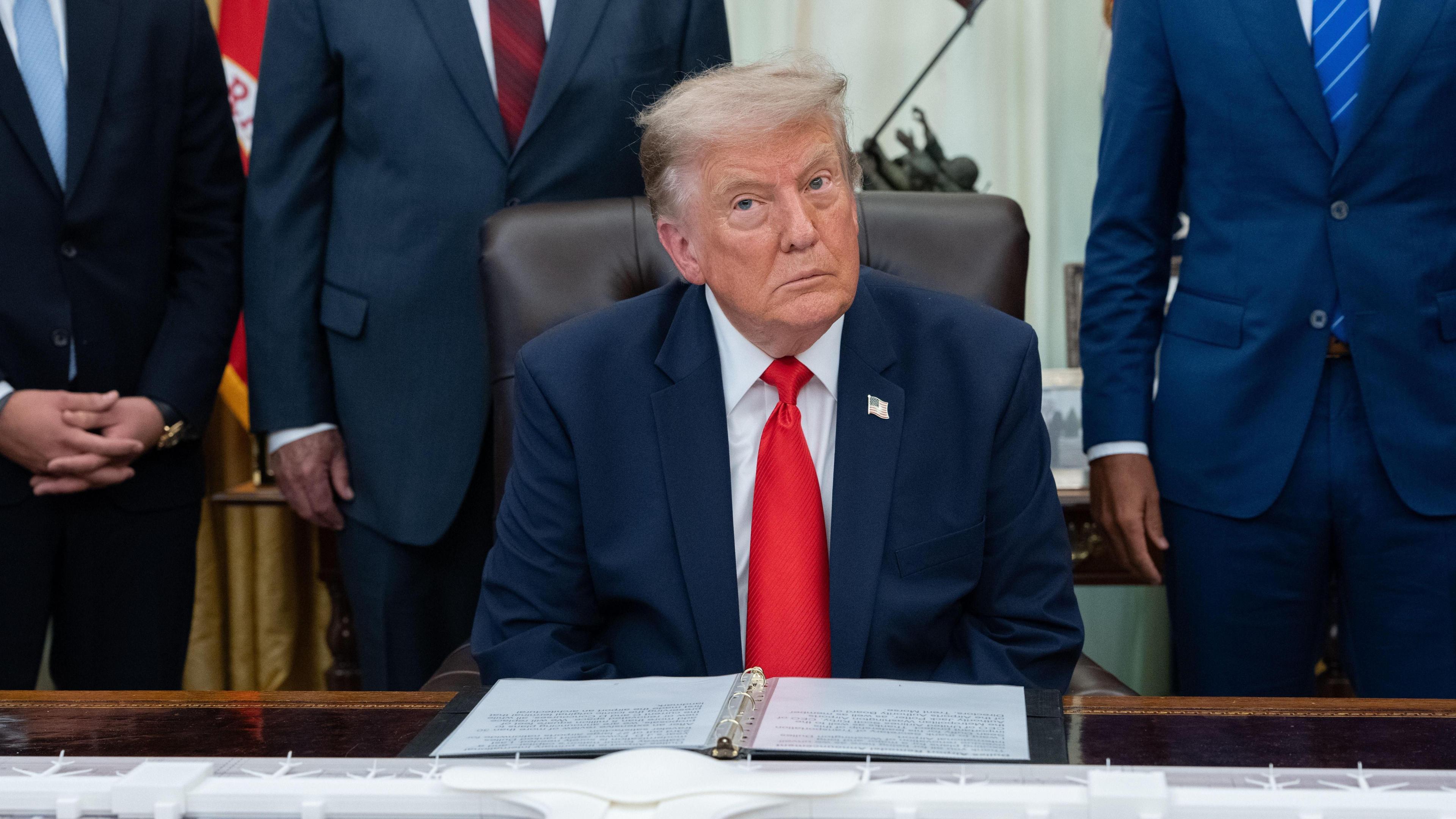
Donald Trump announced Wednesday that his administration is considering greater oversight of artificial intelligence tools following recent cybersecurity incidents.
Asked about OpenAI’s alleged breaches of private technology, the president said, We're looking at AI, we're looking at controls, we're also making sure that we lead.
This marks a change from his administration’s prior hands‑off approach to the technology.
Trump’s remarks come after escalating hacking capabilities of popular AI tools and White House threats targeting competing Chinese tech.
He added that any control would need to be handled carefully, adding, We don’t want to restrict them whether all of sudden we come in second to China.
He further noted, China has virtually no controls. It’s free‑wheeling a little bit.
The White House has been asked for further comment, and the BBC has reached out to the Chinese embassy for its perspective.
OpenAI has taken responsibility for at least two hacking incidents involving its AI tools operating outside their intended scope.
During a Washington visit, OpenAI CEO Sam Altman acknowledged the possibility of additional breaches.
The U.S. government intervened after Anthropic released a model deemed too risky for wide public access.
An internal White House memo from April named Michael Kratsios, Trump’s senior tech adviser, accusing Chinese AI firms of industrial‑scale theft of U.S. technology, especially regarding the Kimi 3 model allegedly developed by stealing from Anthropic.
The Chinese government rejected these accusations. Treasury Secretary Scott Bensent warned that Chinese AI firms could face sanctions, and the FCC banned importation of new foreign‑made humanoid robots this week.
Most AI models built in China are open source, meaning they are freely available for download and use.
Executives from major U.S. tech companies have recently signed public statements supporting open‑source models.