
In brief
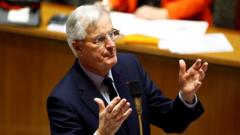
Following a no-confidence vote that toppled French Prime Minister Michel Barnier, France finds itself in a state of political unrest. This upheaval not only destabilizes domestic governance but also poses risks for European unity, particularly with looming anxieties regarding a potential return of Donald Trump to power.
France is experiencing significant political upheaval after Prime Minister Michel Barnier was ousted following a no-confidence vote in parliament. This decision, supported by opposition parties, comes on the heels of Barnier’s controversial use of special powers to pass a social security budget, underscoring the deeper turmoil affecting the nation. The situation is steeped in broader global instability, which further amplifies concerns for the eurozone.France and Germany have historically been considered the political and ideological backbone of the European Union, but both nations are currently grappling with substantial internal strife. As Germany prepares for a snap general election in February following its own coalition government's collapse, the EU faces an alarming lack of cohesive leadership. The stability of Europe hinges on the unity it can maintain in supporting Ukraine, yet uncertainties loom over continued U.S. military aid under a potentially reinstated Donald Trump.At this critical juncture in the geopolitical landscape, Europe appears to be losing its direction, especially with the emergence of autocratic leadership in countries like Hungary and Slovakia, further complicating the alliance's cohesion. The specter of sustained political unrest in France raises alarms given its status as the second-largest economy in the eurozone, with significant concerns surrounding burgeoning debt and budget deficits.President Emmanuel Macron, striving to maintain an appearance of calm amid chaos, faces mounting pressure from a fragmented parliament filled with competing factions. Even as Macron asserts the strength of the French economy while abroad, the reality is the snap elections he called have left his party, Renaissance, in a precarious situation, prompting calls for his resignation.French law prevents any new elections for at least a year, which could result in ongoing governance stagnation. Meanwhile, political opponents, including perennial contender Marine Le Pen, are poised to challenge Macron's authority. As she deals with an ongoing investigation into alleged embezzlement, the outcome could have significant implications for her future candidacy, particularly if the political landscape shifts dramatically.With both domestic and international consequences at play, the outcomes in France will undoubtedly reverberate throughout Europe, making it essential to observe the evolving political dynamics closely. The intertwining of political, social, and economic factors in France promises to play a pivotal role in shaping the future of the EU as it navigates these turbulent waters.



