
In brief
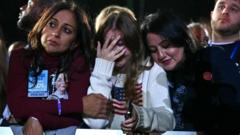
Despite targeted messaging aimed at women, Kamala Harris's voter turnout fell short of expectations, with critical economic issues overshadowing reproductive rights in key demographics.
Despite months of strategizing, the anticipated surge of women voters supporting Kamala Harris did not materialize as expected in the crucial election. Polls prior to the election suggested that Harris would have a significant gender advantage, crucial in a tight race against Donald Trump. While a majority of women did cast their votes for Harris, the margins were not as historic as her team had hoped, resulting in a 10-point fall-off from Joe Biden's performance in 2020. Notably, support among Latino women dropped by 10 points compared to previous elections, and non-college educated women again leaned toward Trump, with early data indicating a 63-35 split.Throughout her 15-week campaign, Harris focused her messages on women, with a special emphasis on reproductive rights. She frequently referenced the overturn of Roe v. Wade, vowing to restore the rights taken away during Trump's presidency. Advertisements during the campaign highlighted personal stories from women affected by state abortion bans, emphasizing the sentiment surrounding reproductive rights that had propelled Democrats in past elections. However, even with the popularity of abortion rights – highlighted by recent polling that showed only 10% of Americans favoring a ban – Harris was unable to connect with key demographics that had previously been reliable supporters.Pollster Evan Ross Smith noted that while abortion remained a critical issue for many women, it did not dominate the concerns of voters struggling with economic realities. As election day approached, primary concerns remained centered on inflation and financial stability, with many voters opting for Trump based on perceptions of economic management. A Colorado independent voter articulated this sentiment, citing her family's ongoing financial difficulties and a sense that conditions had been better under Trump’s administration.While gender issues did factor into the race, analysts suggest Harris's reluctance to fully embrace her gender as a potential asset may have hindered her campaign. Historical context shows that past female candidates such as Hillary Clinton have openly celebrated breaking gender barriers, a strategy that Harris did not adopt. Despite a prevailing belief that the nation has evolved to be more accepting of women in presidential roles since Clinton's candidacy, a portion of the electorate still exhibits biases against female leadership, with a Reuters/Ipsos poll revealing that 15% of respondents would be hesitant to support a female presidential candidate.Ultimately, Trump's campaign, which emphasized traditional masculine themes of strength and toughness, posed an additional challenge for Harris in appealing to a divided electorate. As the results unfolded, it became evident that while women voters did show up, their turnout and preferences did not align with the Democrats' expectations, highlighting the unpredictable nature of political dynamics in a changing electoral landscape.
