In brief
As Azerbaijan gears up to host the 29th United Nations Climate Change Conference in November, a troubling wave of repression against activists and journalists casts a shadow over the event.
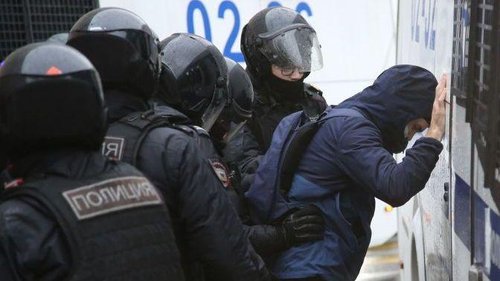
In the lead-up to the global summit scheduled for November, Azerbaijan's government has been busy making physical preparations, ranging from refurbishing infrastructure to training volunteers for the event in its capital, Baku. However, alongside these preparations, there has been an alarming increase in repression against civil society, highlighted by the arrest of numerous activists and journalists.Experts argue that this crackdown is one of the most severe in recent years. Rather than showcasing political openness to the international community, President Ilham Aliyev seems to be tightening his grip on dissenting voices as the Climate Conference approaches. According to Stefan Meister, who studies Azerbaijan, the point of these arrests seems to be to eliminate any opposition that could generate criticism during COP29. Notably, over a dozen journalists linked to independent media outlets have been detained, as well as prominent activists like Anar Mammadli, co-founder of the Climate Justice Initiative. This group, which aims to utilize the summit to advocate for human rights and reduced emissions in Azerbaijan, has faced significant pushback from the government.As the international community prepares to gather in a country fraught with human rights violations, the juxtaposition of Azerbaijan's hosting role against its repressive state actions raises critical questions about the true commitment to environmental and civil rights at COP29.