In brief
The Azerbaijan government’s new school‑uniform rules, which effectively ban hijabs, have ignited the first significant street protests in years. Teenaged students in Baku and southern districts faced detainments while joining an online movement that offers free lessons to those barred from class. The backlash has spilled into Turkey, with Ankara’s politicians condemning the policy and staging small demonstrations outside Azerbaijan’s embassy. Analysts point to the country’s uneasy balancing act between its secular charter, its Shia population and close ties with both Turkey and Israel.
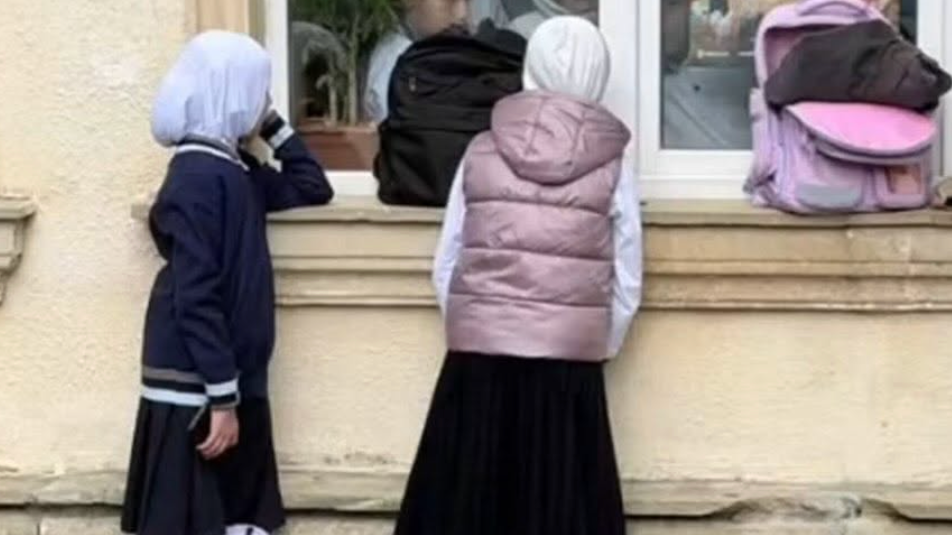
In the early hours of Monday, a teenager in a navy blue headscarf shouted at school staff in Baku, inside Azerbaijan’s most recent decree banning hijabs in state schools. The clip, now viral on social media, shows a row of girls holding a banner that reads, “The hijab does not prevent anyone from getting an education.”
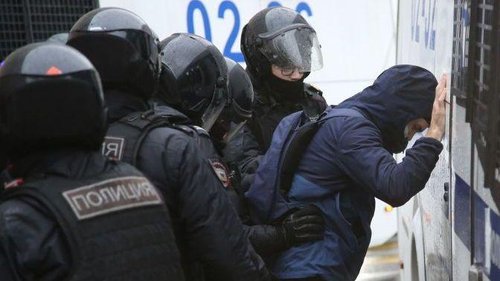
The Education Ministry, which approved the new uniform rules on 21 September, has turned away pupils wearing hijabs at schools in Baku, Masally and Jalilabad. Police detained 37 people attempting to defy the ban, citing “gross violation of public order.” The country’s 10.5‑million population rarely sees street protests, making the demonstrations noteworthy.
Azerbaijan – constitutionally secular and flag‑bearing under President Ilham Aliyev, who has ruled since 2003 – is split culturally between its Shia majority and a Turkic heritage that closely matches Turkey. The ban, critics say, threatens religious expression for millions while the state insists it upholds secular education. Opposition voices and independent journalists remain jailed.
The response has crossed borders. Turkish officials, including President Recep Tayyip Erdoğan’s adviser Oktay Saral, have called the policy “unacceptable,” demanding a reversal and linking the ban to Azerbaijan’s closeness with Israel. Small protests erupted outside the Azerbaijani embassy in Ankara and its consulate in Istanbul, organised by Islamist groups. Azerbaijan’s ruling party warned against interference, accusing Ankara of baseless accusations.
Behind the headlines, students are turning to an online platform called "Let Leyli Go to School," run by activist Ilkin Huseynov, to access free lessons. Unbeknownst to many, followers have reported that Huseynov’s phone went dark after an encounter with unidentified men, hinting at a possible detention. The Ministry also records increased Instagram and TikTok censorship; platforms are only accessible through virtual private networks.
The unfolding case underscores Azerbaijan’s precarious diplomatic balancing act: maintaining a secular, military‑focused state, meanwhile managing alliances with Turkey and Israel and guarding against Iranian religious influence. For Baku’s youngsters, the battle for a simple headscarf has turned into a fight for their right to learn in a world of fragile politics and constrained expression.