In brief
Following the assassination of conservative activist Charlie Kirk, notable figures have called him a martyr for Christianity, suggesting his death could mobilize a wave of religious engagement among young conservatives. While certain churches report increased attendance, experts warn that historical trends indicate such surges may not be sustainable. Kirk's passing serves as a pivotal moment that ignites discussions of faith and political engagement across the nation.
Vice President JD Vance has dubbed Charlie Kirk “a martyr for Christianity,” while a Catholic cardinal referred to him as “a modern-day St. Paul.” In the wake of Kirk’s assassination on September 10, some believe this could galvanize young conservatives to engage more deeply with evangelical and Catholic churches.
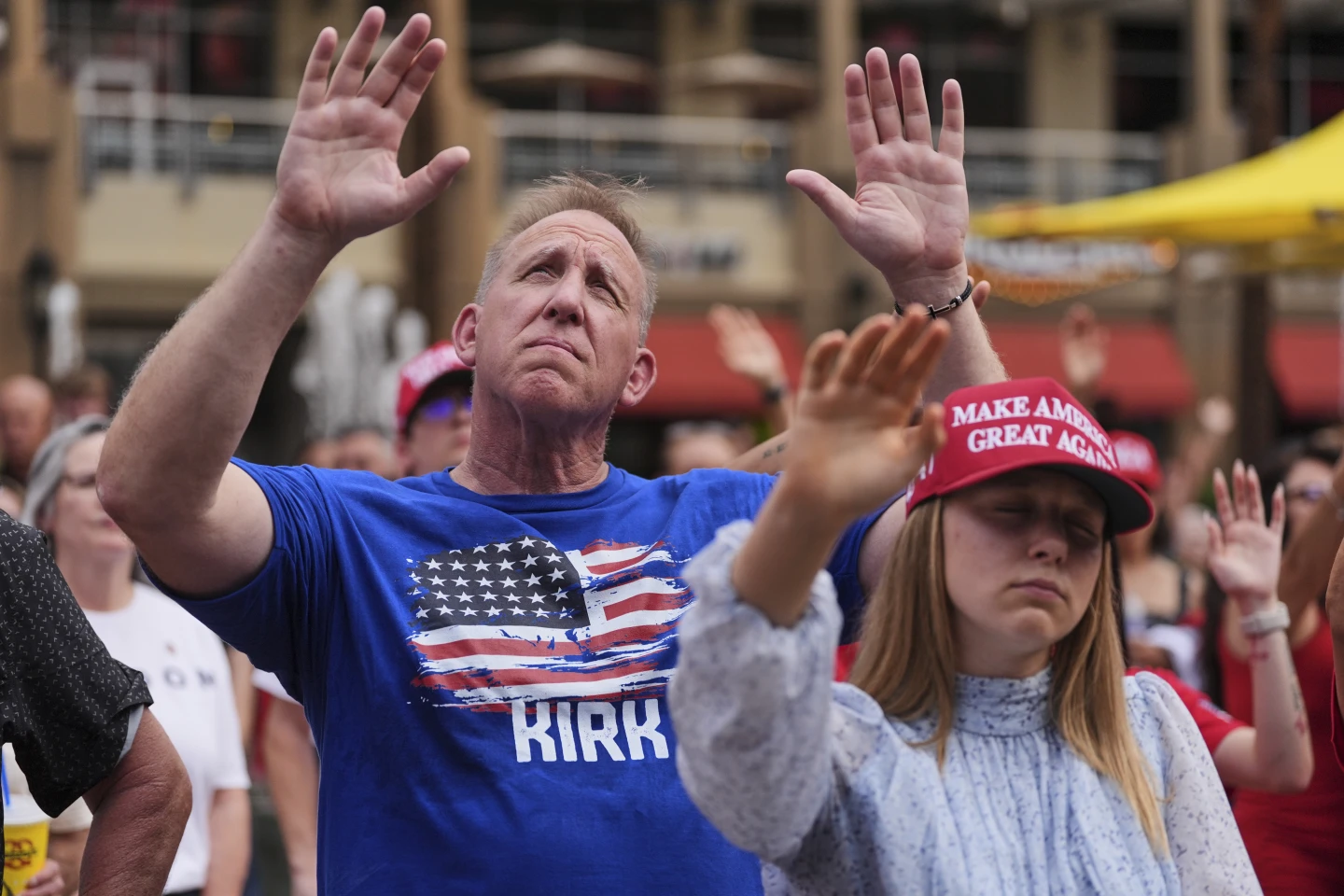
Following his death, emotional tributes began immediately, with a VIP-filled memorial service resembling a megachurch congregation. Attendance at some evangelical churches reportedly surged as a direct result of his passing.
Defense Secretary Pete Hegseth remarked, “Charlie had big plans, but God had even bigger plans,” claiming that Kirk not only started a political movement but also initiated a spiritual revival.
The Rev. Robert Jeffress, aligned with Kirk and President Trump, noted that the emotional response to Kirk’s death was akin to the reactions following the September 11 attacks and the assassination of John F. Kennedy.
Examining Revival Trends
Political scientist Ryan Burge from Washington University points out that history lacks examples of lasting religious revivals triggered by civic traumas. Events like 9/11 only resulted in brief spikes in church attendance without long-term change.
Burge states that substantial shifts in church attendance would require commitment from millions of Americans and emphasizes that mere anecdotal evidence does not equate to significant data.
Emerging Crowds in Churches
Despite these concerns, many conservative Christian congregations are observing new faces. Gina Gleason from Calvary Chapel reports increased attendance, particularly among youth influenced by Kirk’s messages.
Mark Francey, lead pastor at Oceans Church, noted a 30% increase in attendance shortly after Kirk’s assassination, attributing such changes to heightened introspection about life and faith following trauma.
Revival Signals on Social Media
The Charlie Kirk Show highlighted testimonies where individuals expressed renewed interest in church life post-tragedy, with emotional appeals urging followers to honor Kirk by returning to their faith.
Calls from Church Leaders
J.P. De Gance from Communio reports increased attendance across numerous states and stresses that pastors perceive this as a potential move of the Holy Spirit among churchgoers.
Diverse Reactions to Kirk's Legacy
Kirk's influence extended beyond evangelical spheres, drawing admiration even from prominent Catholic leaders, sparking dialogue around his divisive rhetoric and its implications for American Christianity's future.