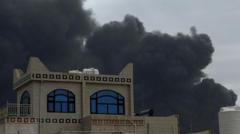
In a significant escalation of military actions, the Israeli military has reported the complete destruction of Yemen's main airport in the capital, Sanaa, which has been under the control of the Iran-backed Houthi movement. The airstrikes on Tuesday hit several civilian aircraft, the departures area, and essential infrastructure, leading airport officials to confirm the facility’s total devastation.
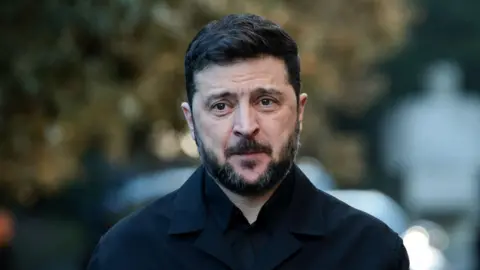
Israeli air operations respond to earlier Houthi missile attacks that narrowly missed Israel's primary airport, instigating a rapid military response from Tel Aviv. Following the missile incident, where a Houthi-fired missile impacted near Ben Gurion Airport, Israeli Prime Minister Benjamin Netanyahu issued a stern warning about retaliating against threats to Israel's security.
In his response, Netanyahu stated that those attacking Israel "bear responsibility for their own blood," asserting that tactical military decisions primarily revolve around the targeting of enemies posing threats. Following the airstrikes, at least three fatalities and additional injuries have been reported, with Houthi officials vowing to act against what they termed "failed terrorism" perpetrated by Israel.
Officials within Yemen claim multiple aircraft operated by Yemenia Airlines were lost in the attack, with the Israeli Defense Forces (IDF) justifying the strikes by alleging that the Houthis were using the airport for arms and personnel transfer. Additionally, Israel targeted other structures in Sanaa, claiming to attack facilities that supported the Houthis' military capabilities.
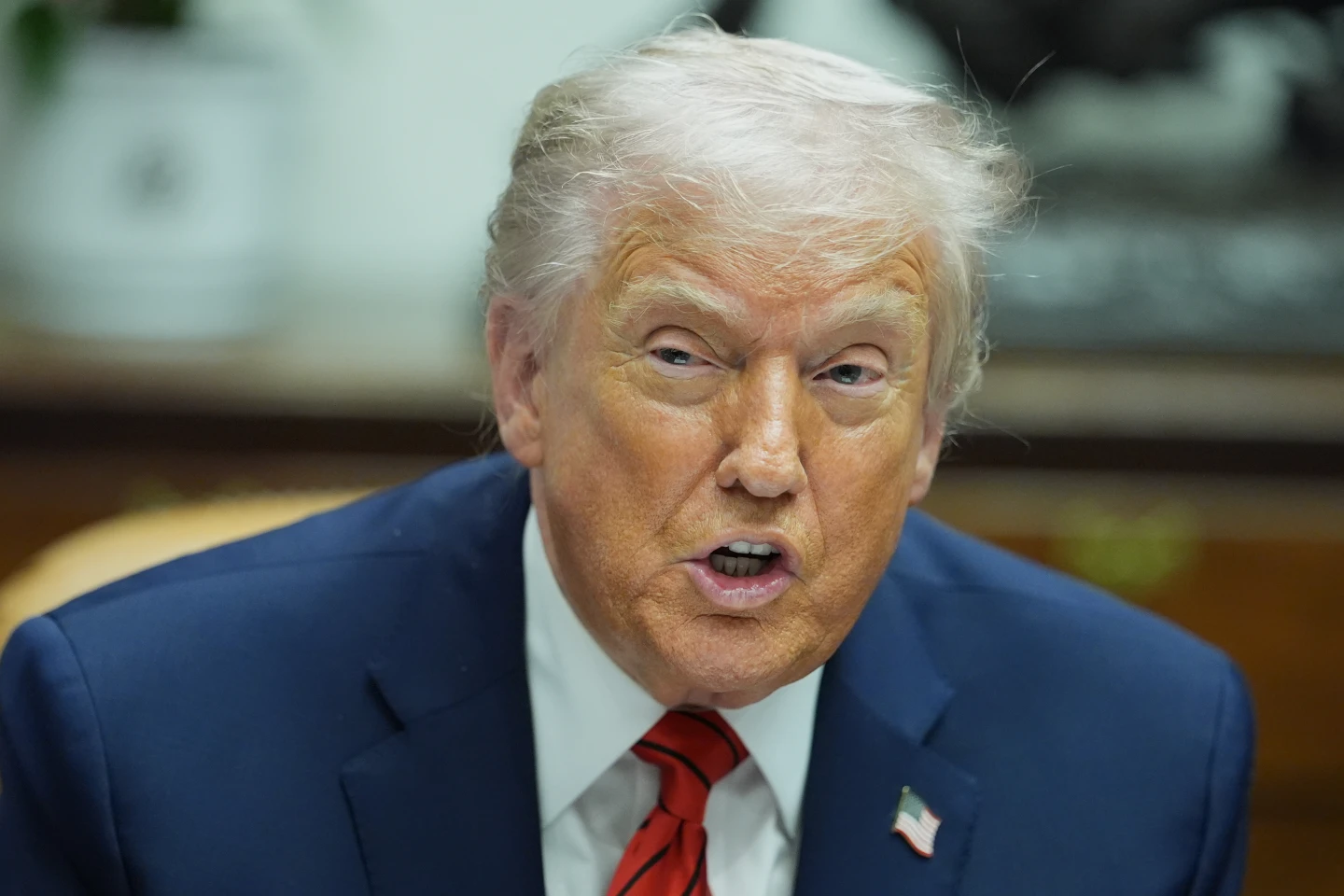
In a notable statement, U.S. President Donald Trump announced that it would cease operations against the Houthis, interpreting their behavior as a sign of capitulation. This declaration coincided with claims of a ceasefire agreement brokered between the U.S. and the Houthis, where peace terms would prevent further hostilities.
Previously, the Houthis indicated intentions to enforce an aerial blockade against Israel in retaliation for its aggressive military actions, leading to increased fears about the protracted conflict in the region. Israel has a history of military operations against Houthi positions in Yemen, including previous strikes on key infrastructure.
Following the attacks on both Sanaa and Hudaydah, where at least four individuals reportedly succumbed to injuries, the conflict remains critically charged, with international observers keeping a close watch on developments in this volatile region.
Israeli air operations respond to earlier Houthi missile attacks that narrowly missed Israel's primary airport, instigating a rapid military response from Tel Aviv. Following the missile incident, where a Houthi-fired missile impacted near Ben Gurion Airport, Israeli Prime Minister Benjamin Netanyahu issued a stern warning about retaliating against threats to Israel's security.
In his response, Netanyahu stated that those attacking Israel "bear responsibility for their own blood," asserting that tactical military decisions primarily revolve around the targeting of enemies posing threats. Following the airstrikes, at least three fatalities and additional injuries have been reported, with Houthi officials vowing to act against what they termed "failed terrorism" perpetrated by Israel.
Officials within Yemen claim multiple aircraft operated by Yemenia Airlines were lost in the attack, with the Israeli Defense Forces (IDF) justifying the strikes by alleging that the Houthis were using the airport for arms and personnel transfer. Additionally, Israel targeted other structures in Sanaa, claiming to attack facilities that supported the Houthis' military capabilities.
In a notable statement, U.S. President Donald Trump announced that it would cease operations against the Houthis, interpreting their behavior as a sign of capitulation. This declaration coincided with claims of a ceasefire agreement brokered between the U.S. and the Houthis, where peace terms would prevent further hostilities.
Previously, the Houthis indicated intentions to enforce an aerial blockade against Israel in retaliation for its aggressive military actions, leading to increased fears about the protracted conflict in the region. Israel has a history of military operations against Houthi positions in Yemen, including previous strikes on key infrastructure.
Following the attacks on both Sanaa and Hudaydah, where at least four individuals reportedly succumbed to injuries, the conflict remains critically charged, with international observers keeping a close watch on developments in this volatile region.