
In brief
In light of escalating protests against a social media ban in Nepal, the government has lifted the restrictions that led to significant unrest and violence, resulting in 19 deaths. The protests, driven by youth frustrations over government corruption and authoritarianism, saw thousands rallying in engagement during a 'nepo kid' campaign. The political landscape remains tense as the Home Minister resigns following criticism of the government's handling of the crisis.
Nepal has recently lifted a controversial social media ban that had incited nationwide protests, leading to clashes that resulted in at least 19 deaths and over 100 injuries.
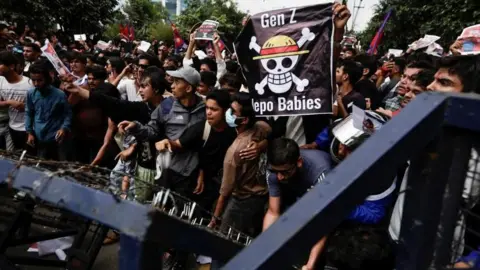
Prior to the ban, a campaign known as the nepo kid movement had gained traction on social platforms, criticizing the ostentatious lifestyles of politicians' children alongside widespread allegations of corruption.
As public discontent grew, protesting youths rallied en masse Monday in the capital Kathmandu, confronting police as they stormed parliament. Following rising tensions, several districts were placed under curfew.
In response to this unrest, the government convened an emergency meeting and decided to reverse the ban, aiming to address the demands of younger generations.
Just prior to lifting the ban, the government had ordered a shutdown of 26 social media platforms, including significant outlets such as Facebook and YouTube, claiming a need to combat misinformation and online fraud.
The government’s justification for the ban was met with strong resistance, as young protestors expressed dissatisfaction, not solely with the social media restrictions, but also against what they characterized as authoritarian governance. Slogans such as enough is enough and end to corruption echoed through the streets.
Violence erupted, including stone-throwing incidents at Prime Minister KP Sharma Oli's residence in his hometown of Damak.
One protest participant noted that the social media ban served merely as a catalyst for larger opposition against pervasive corruption, emphasizing a desire for governmental accountability.
As clashes continued, police employed water cannons and rubber bullets to disperse crowds in Kathmandu. Prime Minister Oli expressed his sorrow over the casualties, attributing responsibility to external disruptive forces.
In an effort to address the fallout from these events, the government announced the establishment of an investigative panel while pledging financial assistance to victims' families.
Amid intense scrutiny, Home Minister Ramesh Lekhak resigned, facing backlash for his directives during the crisis.


