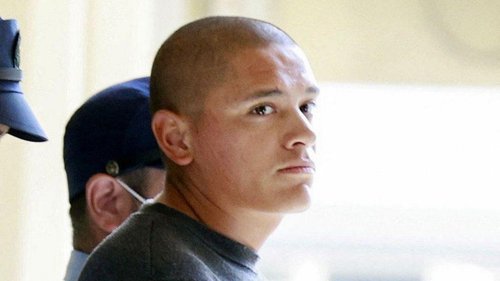
The U.S. military in Okinawa announced on Friday it would extend the nighttime curfew imposed on its personnel until December 7, a month beyond the original deadline. The curfew, which began on October 9 after a U.S. serviceman was indicted for robbing and murdering a local woman in Naha, now applies only to enlisted soldiers and sailors below the rank of sergeant.
Under the curfew, all U.S. personnel stationed in Okinawa are prohibited from leaving their bases between midnight and 5 a.m. Those of sergeant rank and above are exempt, according to the announcement made by the U.S. forces on the island. The decision comes after two high‑profile incidents that sparked calls from Japanese officials for stricter discipline within the U.S. military community.
On October 31, a U.S. Marine was arrested in Okinawa City on suspicion of drunk driving while the curfew was in effect. The arrest followed the earlier murder‑robbery case that prompted the initial curfew order.
Japanese Defense Minister Shinjiro Koizumi said on Monday that he had urged the U.S. side to strictly enforce military discipline and to take “effective measures to prevent similar incidents” in the future. His remarks followed the arrests and were made in a press briefing held in Tokyo.
Foreign Minister Toshimitsu Motegi added that the Japanese and U.S. governments had agreed to strengthen education and training for U.S. service members. In a joint statement issued by the foreign ministries, Motegi said the goal was to prevent similar incidents from reoccurring and to improve overall conduct.
U.S. commanders on Okinawa noted the curfew will remain in effect as a warning to U.S. personnel while investigations into the incidents continue. The curfew is scheduled to end on December 7, one month after the original 30‑day deadline, which began on October 9.
The extension also reflects a broader conversation between the two countries about the role and conduct of U.S. forces in the region. Okinawa hosts about 67 U.S. military bases, and the curfew has impacted daily life for the personnel assigned to them.
U.S. military officials emphasized that the new curfew is designed to maintain order during a sensitive period. They also reiterated their cooperation with Japanese authorities in addressing the “disordered conduct” that prompted the earlier restrictions.
The curfew’s partial application—excluding sergeants and higher ranks—was explained by the U.S. forces as a way to focus discipline on those most frequently involved in incidents while maintaining operational readiness at senior levels.
Both Japanese and U.S. officials view the extended curfew as a necessary measure. While the curfew will be in place until December 7, the U.S. military said it will “continue to monitor the situation and take action as required.”