In brief
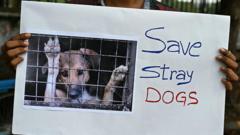
India’s Supreme Court has announced a revised approach to managing the significant stray dog population in Delhi, responding to intense backlash from animal welfare organizations. Initially, a two-judge bench had ordered all stray dogs to be rounded up and sheltered, citing public safety concerns due to an increase in dog bites and rabies. This directive faced immediate opposition due to its inconsistency with existing laws that advocate for the release of sterilized dogs back into their original habitats.
In a three-judge bench's latest decision, it has been determined that non-aggressive and non-infected strays will be allowed to return to their original locations after undergoing vaccination and sterilization. However, dogs exhibiting aggressive behavior or showing signs of rabies will still be required to remain in shelters. Additionally, the court has implemented a ban on feeding stray dogs in public areas, mandating designated zones for this purpose.This legal development has taken place in a context where Delhi is home to approximately one million stray dogs, contributing to India’s disproportionate share of global rabies fatalities, reported by the World Health Organization. The Supreme Court is also in the process of crafting a national policy regarding stray dog management, which aims to address the concerns of both public safety and animal welfare.Animal advocates have expressed their relief at the changes but remain wary of the court's restrictions on feeding dogs in public. They highlight the necessity of humane treatment, emphasizing that proactive approaches like vaccination and sterilization alongside community support are essential in effectively managing the stray dog crisis while ensuring the welfare of these animals.With ongoing discussions and cases concerning stray dogs in other states, the Supreme Court’s future policy could establish a significant precedent in animal welfare across the nation. Dogs, India, Animal Welfare, New Delhi, Animal Cruelty