
In brief
India is nervously reacting to Trump’s re-entry into the White House by reducing tariffs, particularly on motorcycles, in an attempt to mitigate potential U.S. trade actions.
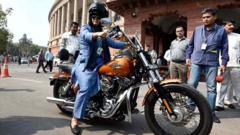
India has recently taken proactive measures to avert any prospective tariffs announced by President Donald Trump, who has reignited his tough trade rhetoric since returning to the White House. In a significant move designed to smooth the entry of U.S. motorcycle manufacturers like Harley-Davidson, India has slashed import duties on heavyweight bikes from 50% to 30% and on smaller motorcycles from 50% to 40%.This change comes as the U.S. has threatened tariffs against its trading partners, including India, following a phone conversation between Trump and Indian Prime Minister Narendra Modi. Analysts warn that if Trump, who has previously labeled India a "tariff king," makes moves against Canada and Mexico, he could easily target India next. The U.S. exported $3 million worth of motorcycles to India last year, and Indian policymakers are keen to avoid any trade escalations.Despite facing pressure from U.S. advocacy for increased arms purchases and a fairer trade balance, India has maintained a trade surplus with the U.S., which remains its largest trading partner. Bilateral trade is expected to reach $190 billion (£150 billion) by the end of the year, with Indian exports to the U.S. rising by 40% since 2018. As part of its recent tariff reductions, India has also eliminated taxes on items like satellite ground installations, synthetic flavoring essences, and has reduced tariffs on fish hydrolysate.Experts highlight that while India has moved to cut tariffs in various sectors, the intense scrutiny from Trump means that agricultural market access could still be an area of contention. Trade analysts caution that domestic political sensitivities in India surrounding agriculture may hinder further concessions, even as India has begun to reverse retaliatory tariffs on U.S. products.The strategic alliance between India and the U.S., particularly through the Quad framework aimed at countering China, could serve to alleviate some trade pressures. Moreover, Modi’s personal rapport with Trump may offer an additional buffer against potential trade conflicts. As preparations for Modi's upcoming visit to the White House continue, both governments will be looking to reach a mutual understanding to secure their economic interests while navigating these turbulent waters.

