In brief
In a state where abortion legislation has become a focal point, voters cast ballots that could significantly reshape access to reproductive rights.
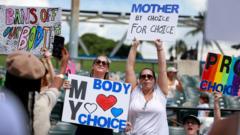
In a historic moment for Florida's electorate, voters are set to decide on Amendment 4, a measure that seeks to overturn the state’s recently imposed six-week abortion ban. This Tuesday, first-time voter Betsy Linkhorst, 18, expressed her apprehensions about the pressing issue of abortion access. "I’m nervous living in a state with limited options," she shared, emphasizing her support for the amendment and stating, "It’s important to vote based on our rights."If Amendment 4 is approved, the change would extend abortion access to the point of fetal viability, approximately 24 weeks into a pregnancy, and would allow for further extensions in circumstances that threaten the health of the patient. Polling indicates a significant portion of the electorate favors the amendment, but the threshold for passage is set at 60%, making its future uncertain in a state with conservative leanings. Abortion rights advocate Kelly Hall noted the challenge, declaring, "It's the hardest place in the country to win," yet also emphasizing that success in Florida could energize similar movements across the nation.Since the Supreme Court's decision to overturn Roe v. Wade, which granted states greater authority in regulating abortion, Florida has enacted stringent laws restricting the procedure. Following the six-week ban instituted in May with very limited exemptions—often before many women are even aware of their pregnancy—this ballot measure stands out as one of the most scrutinized abortion-related votes this election cycle.Historically, recent elections in states like Kentucky and Kansas have indicated a robust support for access to abortion among voters, countering restrictive measures. Democrats are hopeful that the abortion rights question will galvanize voters not only in Florida but also in key battleground states like Arizona and Nevada, boosting their candidates in the presidential race and other elections. Interestingly, even Republican nominee Donald Trump has navigated the abortion discourse, suggesting recently that regulation should reside at the state level. However, he later shifted stance amid reactions from anti-abortion factions. Views among Floridians vary widely; 88-year-old Nancy Collins reflects a traditional perspective, rejecting Amendment 4 on religious grounds and supporting the current six-week limit.Florida's Governor Ron DeSantis has actively campaigned against Amendment 4, framing it as a radical shift in abortion policy and voices concerns regarding parental consent for minors seeking abortions. The state’s health department has even set up counter-campaigns against the amendment, challenging its supporters in various media outlets.Remarkably, the intersection of personal beliefs and political affiliations shines through the voting choices of individuals, as some, like Jonel Jones, navigate complex emotions surrounding the issue. Even as a Trump supporter, she advocated for Amendment 4, indicating a recognition of the dire consequences that restrictive abortion laws can impose on women's health. As voters fill out their ballots, the outcome of Amendment 4 will not only reflect Florida's stance on reproductive rights but could also signal broader implications for abortion legislation across the United States amidst the evolving political landscape.