In brief
Recent changes in U.S. tax policy are shifting the dynamics of global markets, with particular effects on Chinese firms and other international players.
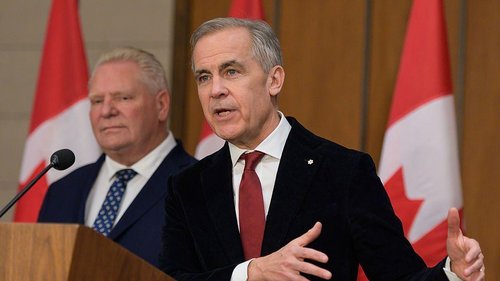
In a rapidly evolving economic landscape, recent adjustments in U.S. tax legislation are sending shockwaves through international markets, particularly impacting Chinese companies. As loopholes that once provided significant financial advantages close, these firms must now navigate a more challenging regulatory environment. The aftermath of President Trump’s tax cuts has also left a lasting imprint on market stability and investor confidence, raising questions about the adminstration's long-term economic strategy. Meanwhile, political events in Canada, including the recent elections, reflect the complexities of governance and its implications for corporate interests, as the Liberal party emerges victorious. In other developments, Pope Francis continues to foster a complicated narrative, influencing power dynamics, especially within the Catholic community in the U.S. Moreover, issues surrounding academic institutions and college athletes illustrate the shifting paradigms impacting youth culture and commerce. Judicial actions, including the recent arrest of a Wisconsin judge, and evolving press briefing protocols signal ongoing changes in the political landscape. Additionally, Meta's news ban and its implications for Canadian elections raise pressing concerns about media freedom and its role in democratic processes. As international players like China and the E.U. respond strategically to the U.S. tariffs, the global economic environment remains unpredictable and fraught with challenges.