
In brief
Over 40 Rohingya refugees, forcibly deported from India back to Myanmar, share their harrowing accounts of being treated like captives, bound and blindfolded before being thrown into the sea. With Myanmar engulfed in civil war, the refugees face dire circumstances as family members in India anxiously await news. This report sheds light on the critical human rights issues surrounding the treatment of refugees in India.
Noorul Amin last spoke to his brother on 9 May. The brief call revealed devastating news that his brother Kairul and four others had been deported by the Indian government to Myanmar, a country they had fled years ago due to persecution. Amid an escalating civil war, the chances of Amin seeing his family again grow slimmer by the day.
I could not process the torment that my parents and the others who were taken are facing, said Amin in an interview from Delhi. Three months after their forced removal from India, BBC managed to contact refugees in Myanmar, now living under the Ba Htoo Army, a resistance group.
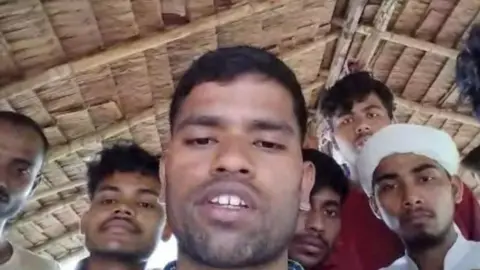
We don't feel secure in Myanmar. This place is a complete war zone, said Soyed Noor via a video call from a makeshift shelter with fellow refugees. Testimonies reveal the refugees experienced severe mistreatment, being bound, blindfolded, and forcibly taken to boats before being abandoned in the Andaman Sea while still wearing life jackets.
Confirming details, Noor cited that during their journey from Delhi, evidence suggests they were treated as captives, with authorities stating, How can someone just throw human beings into the sea? He believes Indian authorities showed no humanity.
Further investigation indicates these refugees had UNHCR cards and were misleadingly summoned to local police stations under the pretext of biometric data collection before being detained and deported. The lack of response from the Indian government on these allegations has raised concerns among human rights advocates.
Thomas Andrews, the UN's special rapporteur, has highlighted significant evidence backing these claims and is advocating for their return while criticizing India's stance on Rohingya as illegal immigrants rather than refugees. The plight of the Rohingya in India remains precarious, as many live in fear of similar deportations.
This situation has evoked widespread distress in the Rohingya community, with many opting to hide due to fear of being targeted and deported. Noorul Amin reflects the sentiment of many, stating, In my heart, there is only fear that the Indian government will take us and throw us in the sea anytime. The plight of the Rohingya requires urgent intervention amid growing human rights concerns.

