In brief
As the Trump administration drives a stake into the operations of the U.S. Agency for International Development (U.S.A.I.D.), various authoritarian leaders seize the opportunity to commend the move, viewing it as a respite from perceived external interference in their governance.
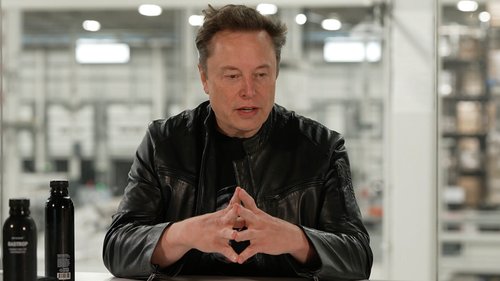
In a significant policy shift, the Trump administration, spearheaded by Elon Musk's remarks on “feeding U.S.A.I.D. into the wood chipper,” has garnered encouraging responses from global leaders who share a vision of reduced U.S. foreign influence. Dmitri A. Medvedev, the Kremlin's deputy chairman and former president, regarded the dismantlement as a “smart move,” reflecting years of Russian grievances against U.S.A.I.D., which had been expelled from their territory in 2012.Hungarian Prime Minister Viktor Orban, known for his close affiliations with Russian President Vladimir Putin, publicly welcomed this pivot, labeling it a termination of financial support for "globalist" initiatives. His political director emphasized their satisfaction with Musk's and Trump’s actions, which Musk himself highlighted by reposting the sentiment.In Central America, Nayib Bukele, El Salvador's strongman leader, condemned the previous aid framework, asserting that it had diverted resources to oppositional factions and politically motivated NGOs rather than supporting the nation’s development. This sentiment resonated during a protest in Washington, where demonstrators rallied in support of U.S.A.I.D.As these foreign leaders resonate with the changes in U.S. policy, the implications of this dismantlement remain to be seen. For leaders with authoritarian tendencies, the reduction of U.S. foreign aid is perceived not just as a loss for humanitarian funding but as a strategic win against international scrutiny and opposition.