
In brief
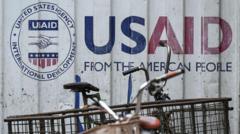
In a recent announcement, the United States Agency for International Development (USAID) declared that it would place its "direct-hire personnel" on administrative leave starting this Friday night, with the exception of those involved in mission-critical functions and specially designated programs. This decision comes as part of a series of funding cuts initiated by President Donald Trump since his return to office last month, signaling a shift in government priorities that could drastically affect humanitarian programs worldwide.
According to USAID's statement, arrangements will be made for return travel for personnel stationed outside the U.S. during the next month. Employees not falling under the designated exceptions were informed they must remain reachable via telephone and email during business hours despite being restricted from entering USAID facilities. The agency, which employs around 10,000 people globally—with two-thirds serving overseas—has been under scrutiny for its essential role in delivering humanitarian aid to over 100 nations. Critics argue that shuttering USAID would severely impact numerous vulnerable populations reliant on its services, ranging from disaster response efforts to public health initiatives. The agency managed more than $40 billion in funding during fiscal year 2023, and its closure, as advocated by figures such as Elon Musk and Secretary of State Marco Rubio, has drawn ire from Democratic leaders. Senator Andy Kim voiced concerns on social media, emphasizing the importance of USAID as a bipartisan foreign policy tool in a precarious global landscape. USAID's operations span from providing medical assistance to conflict-affected regions to addressing health pandemics, making its potential closure a topic of intense debate and concern among policymakers and humanitarian advocates alike.


