
In brief
As India navigates a complex trade landscape with the United States, the recent reduction of motorcycle import duties is aimed at smoothing the entry of US brands while countering potential tariff threats from Trump.
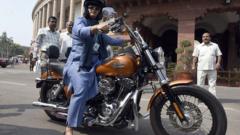
In a significant move last week, India slashed import duties on motorcycles, lowering tariffs on heavyweight bikes with engines larger than 1,600cc from 50% to 30% and smaller models from 50% to 40%. This pre-emptive action is designed to facilitate a smoother entry for American motorcycle manufacturers such as Harley Davidson into the Indian market, which recorded US motorcycle exports worth just $3 million last year. Since Donald Trump's return to the White House, he has consistently used his trade policies as a means of exerting pressure on both allies and adversaries. India's proactive tariff cuts may be an attempt to stay ahead of potential US trade actions, especially since Trump previously lambasted India's high tariffs during his first term. Ajay Srivastava, founder of the Global Trade Research Institute, notes that if Trump has targeted Canada and Mexico—which are closely tied to the US—India could very well be next on his radar. During a recent phone call with Indian Prime Minister Narendra Modi, Trump reiterated the need for India to engage more significantly in purchasing US arms and urged for a more balanced trade relationship. This sets the stage for ongoing negotiations as India's bilateral trade with the US continues to flourish, exceeding $190 billion in 2023 with notable trade surpluses on both sides. In addition to motorcycle tariffs, India has removed import duties on satellite ground installations, synthetic flavoring essences, and fish hydrolysate for aquatic feeds. Such measures may promote US exports in these sectors, which amounted to significant figures last year. Mr. Srivastava believes that these tariff reductions indicate a strategic shift and could enhance US exports across various industries, even amid rising global trade tensions. India's exports feature a wide array of products, including textiles, pharmaceuticals, engineering goods, and petroleum. The country has transformed from a historically protectionist economy, often critiqued for its stringent import regulations, to a more open trading partner, especially since the economic liberalization policies began in the 1990s. However, with rising tariffs under Modi's "Make in India" initiative, which aimed at boosting local manufacturing, India's current tariff rate of approximately 18% surpasses those of many other Asian competitors. Trade expert Biswajit Dhar warns that under Trump's "America First" policy, India could become a prime target due to its protective measures. The ongoing debates around agricultural market access are noteworthy, as India rolled back retaliatory tariffs on several US products but may resist further concessions to avoid domestic backlash. Despite potential tensions, India's strategic alignment with the US, particularly as a Quad member actively countering China, may help diffuse some of the trade frictions. Modi's diplomatic warmth towards Trump may also play a vital role in negotiations, which could become clearer during the anticipated visit of Modi to the White House later this month.

