In brief
President Volodymyr Zelensky dismissed army commander‑in‑chief Oleksandr Syrskyi following a clash with Defence Minister Mykhailo Fedorov, whose removal had ignited street protests across Ukraine. In response to mounting public pressure, Zelensky named young, battle‑hardened general Mykhailo Drapatyi as the new commander, hoping to energise the army’s offensive against Russia. The decision is seen as a bold move to overhaul the military structure and resume momentum after the war’s early defensive phase. While Fedorov’s post‑ministerial role remains unclear, Ukrainian defenders anticipate that the new leadership will bring discipline and renewed strategic clarity.
Zelensky fires Ukraine's army chief amid protests

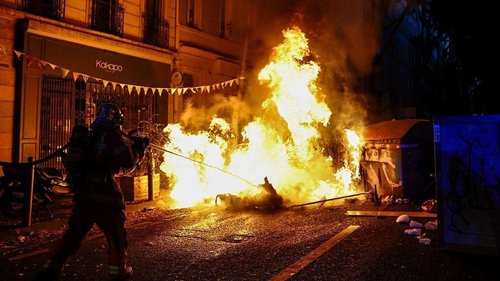
President Volodymyr Zelensky has dismissed army commander‑in‑chief Oleksandr Syrskyi, days after the removal of Defence Minister Mykhailo Fedorov triggered street protests across the country. The decision follows a confirmed clash between Syrskyi and Fedorov, which led to the minister’s abrupt exit.
Syrskyi, 60, is perceived by many Ukrainians as a Soviet‑school commander reluctant to implement sweeping reforms. In contrast, Fedorov, 35, was lauded for revitalising the armed forces, launching anti‑corruption campaigns and harnessing data analytics to improve battlefield performance.
In a farewell address on Telegram, Syrskyi praised the army’s transition from defensive operations to an offensive stance: “An army that was once holding the line is now on the attack.” He emphasised the importance of continuing that offensive momentum.
Mykhailo Drapatyi, 43 and a battle‑hardened general, was appointed as the new commander. Drapatyi’s rise is viewed as a fresh, youthful approach that could appease public discontent and restore confidence.
Zelensky acknowledged Syrskyi’s contributions in a video post, thanking him for defending Kyiv in the early stage of Russia’s full‑scale invasion. He also mentioned meeting with Fedorov earlier that day and offering him a “worthy position in power,” though it is unclear whether Fedorov accepted.
During the transition, acting Defence Minister Yevhenii Khmara remains in charge, and the President has tasked him and Drapatyi to develop a new defence strategy. The strategy will address the military corps system, weapons supply chain, drone integration, and necessary reforms.
Fedorov’s endorsement of Drapatyi’s appointment is seen as a key factor in diffusing the political crisis. The protests, however, continue to demand a leadership capable of sustaining Ukraine’s offensive push against Russian forces.