In brief
On 5‑7 July, a small Ukrainian city 24 km from the front line was hit by glide bombs, drones and FPV drones, in an operation that has intensified over the last week of June. Residents like IT specialist Anna Holovchenko describe their new normal: no sleep, constant anxiety and the Russian force stepping up terror attacks on civilian infrastructure, from schools to private buses and even a spark‑planted cable that knocked out local internet. The city’s acting mayor, Regina Kharchenko, has called for more shelters, anti‑drone nets and protective film on windows, while Ukrainian forces slowly push Russian troops back. Yet Russian jets keep bombarding, using longer‑range mothership drones and mesh networking to reach Zaporizhzhia, targeting the region’s crucial infrastructure including the nearby nuclear power plant.
On the early hours of July 5, Anna Holovchenko, an IT specialist living in the eastern Ukrainian city of Zaporizhzhia, was woken to the thunderous impact of glide bombs that struck the suburbs of her home. Within an hour, a second wave of drones clouded the skies over her residence, and local air‑defence units tried to bring them down, though the city’s proximity—just 24 km from the front line—has transformed the daily life of its 750 000 inhabitants into one of relentless uncertainty.
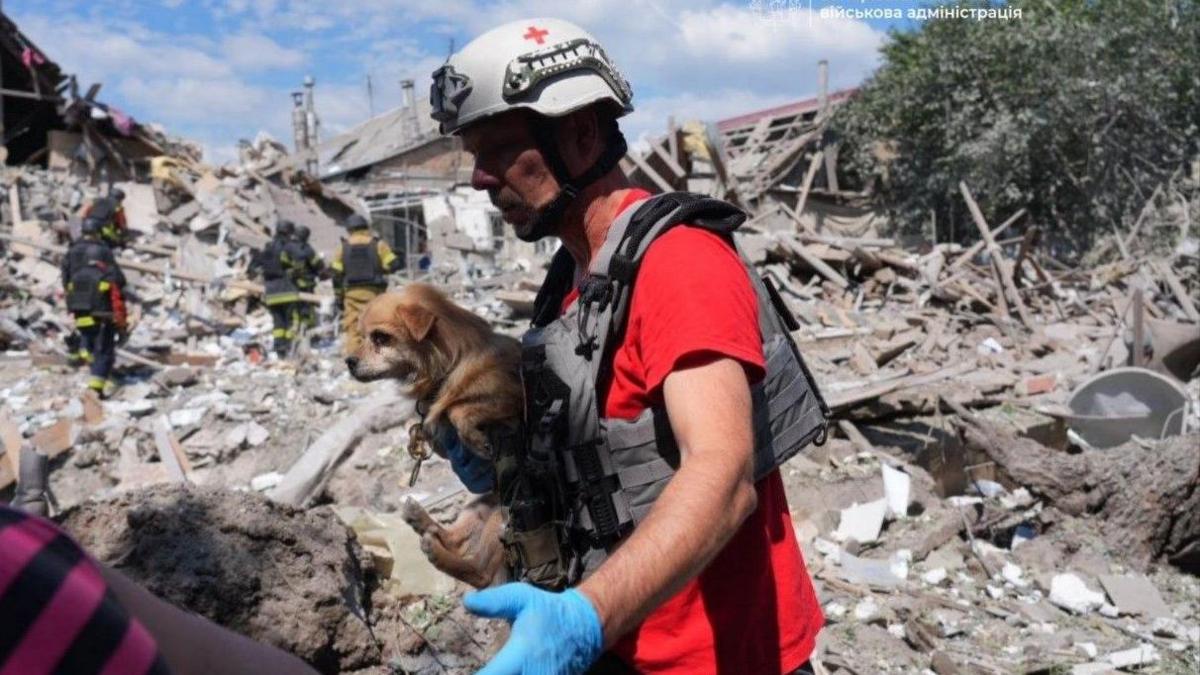
Multiple targets around the city, including schools, buses, government offices and homes, have suffered blasts over recent weeks, as Russian forces press the advantage. One particularly intense assault was reported by Acting Mayor Regina Kharchenko, who admitted she sought shelter in a toilet when the noise grew unbearable. “That’s just another ordinary day in Zaporizhzhia,” she said, even as a Shahed drone crashed near her office and severed the internet. The city, which hosts Europe’s largest nuclear power plant just 50 km southwest in a region under occupation, faces added pressure from Russian missile and drone attacks that now frequently land on private buses and municipal transport.
The intensification is partly due to Russian use of FPV drones and “mesh networking” technology that allows drones to relay signals, extending their reach beyond the limits of earlier attacks. Sam Cranny‑Evans of the Royal United Services Institute explains that Russian forces can deliver clusters of smaller drones from longer‑range motherships, broadening the scale of their bombing campaign. Analysts point to a possible reduction in Ukrainian electronic warfare and a shift of Russian focus on Zaporizhzhia, which local security units measured at intercepting 884 drones during the last week of June.
Residents remain reluctant to evacuate, citing limited supplies and a stubborn hope to survive through to victory. As the city gathers in underground shelters to discuss the increasing threat, plans are underway to install additional bunkers, anti‑drone nets on high‑risk streets, and anti‑shatter film on school and hospital windows, while keeping the humiliating lull of the Bezhovych family and her community alive in the face of continued Russian offensives.">