Youth Protest Meets Viral Memes: Delhi’s Anti‑Government March Goes Digital
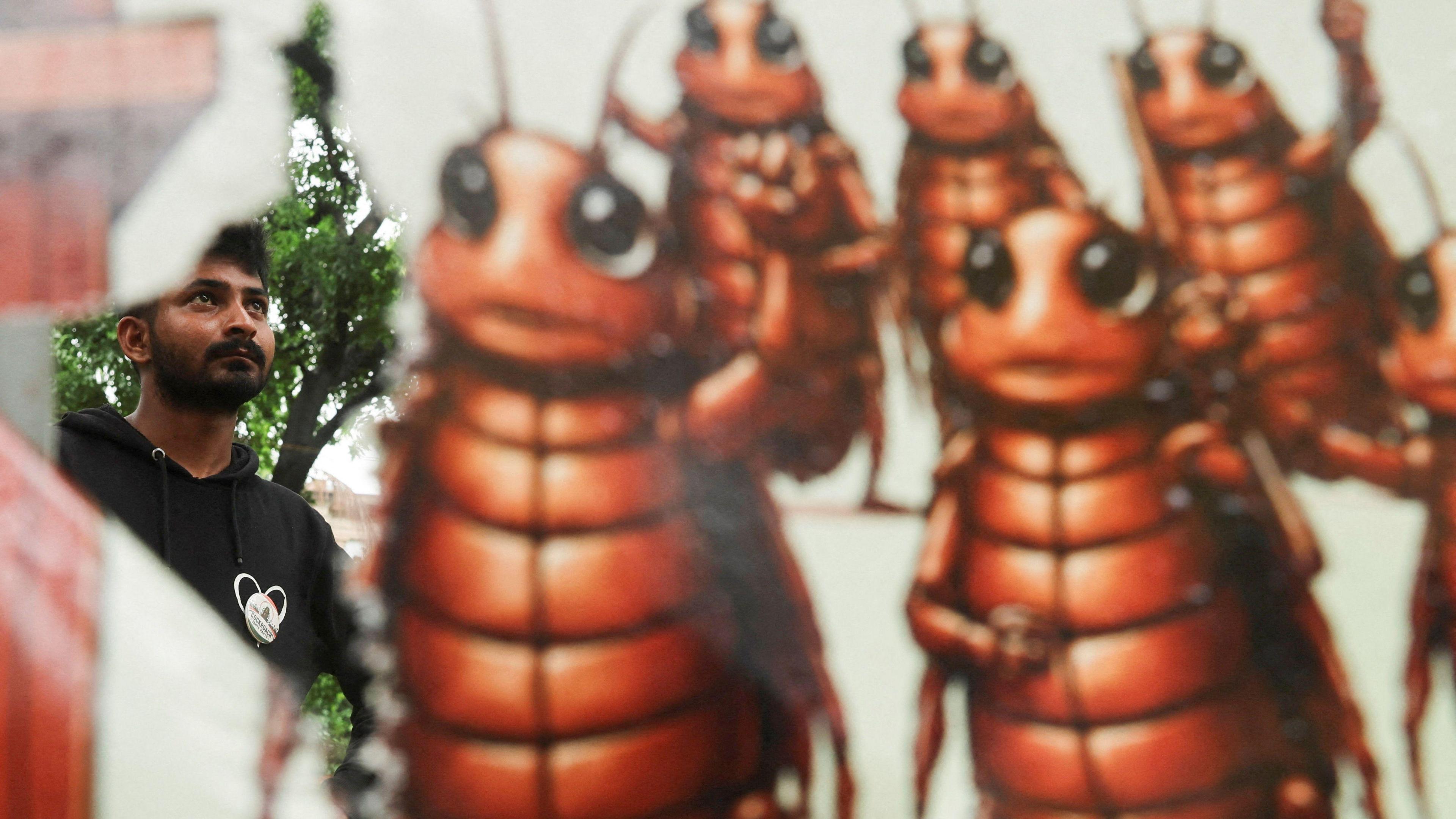
On Thursday, a wave of young protestors rallied at Jantar Mantar in New Delhi to demand the resignation of Education Minister Dharmendra Pradhan. The movement, the Cockroach Janta Party (CJP), emerged from protests over leaked exam papers and is now part of a wider push for government accountability.
The march turned chaotic as police entered the scene with batons and tear gas. At least several thousand demonstrators were attacked, and several officers reported injuries. Mobile internet was temporarily suspended, but it returned late that night, allowing protesters to upload thousands of videos and memes that captured the full spectrum of the event.
Meanwhile, the viral content was often laced with humor. One “fit‑check” the same day the protest began turned into an impromptu runway moment the moment a police baton charge hit a crowd segment. Another clip featured a protester’s dead‑pan review of tear gas as a new restaurant dish; the punchline was that the gas smelled worse than the neighbourhood’s usual stank. Such jokes did not negate fear but instead forged a shared emotional language, helping participants cope with the violence while keeping the protest’s narrative alive.
Digital anthropologist Payal Arora notes, “Smartphones have turned ordinary people into chroniclers of political upheaval.” Whether recording an outfit or logging a run on a fitness app during a baton charge, youth activists stitched breathlessness and dread into popular media formats.
The memetic flow shows that online humor is not an act of detachment but a survival strategy. As noted by professor Joyojeet Pal, “Younger generations grow up with politics alongside their memes and Instagram stories.” The memes provide a platform for solidarity and resistance that is harder for the state to suppress.
Last night, an 18‑year‑old engineering student logged a workout while fleeing a shattering baton charge—his final frame capturing the distance on his fitness app. He humorously added, “I escaped the lathi charge,” revealing how the confluence of sport, social media, and street protest can galvanise public attention.
For many Delhiites, the memes and first‑hand footage humbled the mechanics of terror. They chart a new political vocabulary for a generation born inside online spaces. Instagram captions about botching a “fit‑check” or mocking the smog show how protest, humor, and visibility fuse into an accessible discourse that resonates with millions.
The memory of Delhi’s protest, though shaped by gunfire and tear gas, is now woven into the lexicon of a generation that won’t let fear dictate what they recall or share. In a digital era where a meme can be a protest itself, the CJP’s uprising marks a new chapter in civic engagement.