In brief
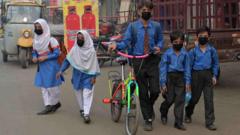
Schools in parts of South Asia are suspending outdoor activities due to alarming increases in air pollution, particularly in Lahore, Pakistan, where the Air Quality Index has reached dangerous levels. Authorities underscore the impact of both local agricultural practices and urban factors on air quality.
As air pollution continues to plague South Asia, especially in Pakistan and India, schools are implementing measures to protect students' health. In Lahore, schools have announced that students will refrain from outdoor activities until the end of January 2025. The city's Air Quality Index (AQI) recently made headlines as it reached hazardous levels, marking it as the most polluted city worldwide. Concerned health officials are advising vulnerable groups, particularly children and the elderly, to remain indoors amidst the smog.India's capital, Delhi, is facing a similar crisis, with pollution levels soaring to over 30 times the World Health Organization's recommended limits. Experts point to a combination of weather conditions, agricultural burning, and the use of firecrackers during the Diwali festivities as key contributors to this ongoing issue.During the months of November and December, farmers across India traditionally burn crop stubble to clear their fields, inadvertently releasing significant volumes of smoke into the atmosphere. This practice exacerbates air quality problems in surrounding regions, particularly affecting urban areas where populations are dense.As the smog crisis persists, both governments and communities are urged to adopt better environmental practices and seek sustainable solutions to combat air pollution for the sake of public health, particularly for the younger population.