
In brief
A Toronto resident desperately tries to reunite with her family stuck in US immigration detention. Her relatives are eligible for asylum in Canada due to their ties to legal refugees, but bureaucratic red tape and shifting policies complicate their release and entry. This case highlights the challenges faced by many asylum seekers navigating the contentious US-Canada immigration landscape.
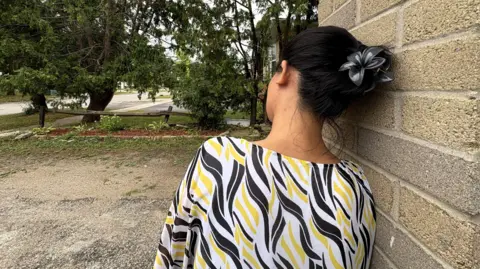
In a quiet, leafy suburb of Toronto, a 30-year-old Afghan woman, known as Asal, spends her afternoons attempting to connect with her two younger siblings and father, who are held in an Immigration and Customs Enforcement (ICE) detention facility just across the border in the US.
Though they are eligible for asylum in Canada due to their familial ties with legalized refugees, their situation is complicated by a bureaucratic limbo. US officials stipulate that they can only file their claims at land borders, yet they cannot reach Canada without a visa, which is currently under review.
Desperately trying to facilitate their release, Asal has hired attorneys in both countries and even offered to cover escort costs for their journey to Canada. Her family’s plight underscores how swiftly changing immigration policies can entrap asylum seekers in perilous circumstances.
Asal's family fears deportation back to Afghanistan, where her father, formerly a contractor with US troops, risks persecution from the Taliban. The three have endured months of uncertainty in detention, unable to claim asylum in Canada despite their clear eligibility.
The family's case highlights the challenges faced by many who seek asylum amid fluctuating diplomatic relations between the US and Canada. Asal expresses anxieties about her family's wellbeing, revealing that her youngest brother was hospitalized for seizures while in detention.
The conditions reported by Asal's siblings are dire, with descriptions of inadequate nutrition and loss of autonomy. Hope rests on Canadian authorities to expedite visa approvals, enabling her family to escape an uncertain fate.
Asal's story, representative of countless others caught in a complex web of immigration policy, raises questions about the responsibilities of nations to protect those most vulnerable and the need for systemic reform amidst humanitarian crises.



