In brief
After Donald Trump declared an energy ceasefire in Ukraine, Moscow has stayed silent, offering only vague assurances about ongoing talks. Russian officials frame the deal as a gift that benefits them, arguing it limits Ukrainian strikes on Russian refineries. Ukraine, meanwhile, remains wary, criticizing new Russian attacks on energy sites. The story underscores Moscow’s strategy to use the ceasefire as leverage while maintaining military pressure on Kyiv.
Published 2 minutes ago
When President Donald Trump on Sunday announced that Russia and Ukraine had agreed to an energy ceasefire effective immediately, the reaction was instant news for Volodymyr Zelensky but not for Moscow. The Kremlin responded with only vague statements, promising that “contacts are continuing” and that it would inform the world when it had something to say.
Meanwhile, Russian media poured praise: a pro‑government outlet dubbed the ceasefire a “gift” that would free Russia from having to destroy Ukrainian refineries. They argue that it is a one‑way deal that keeps Russia’s strategic asset base intact while imposing constraints on Kyiv.
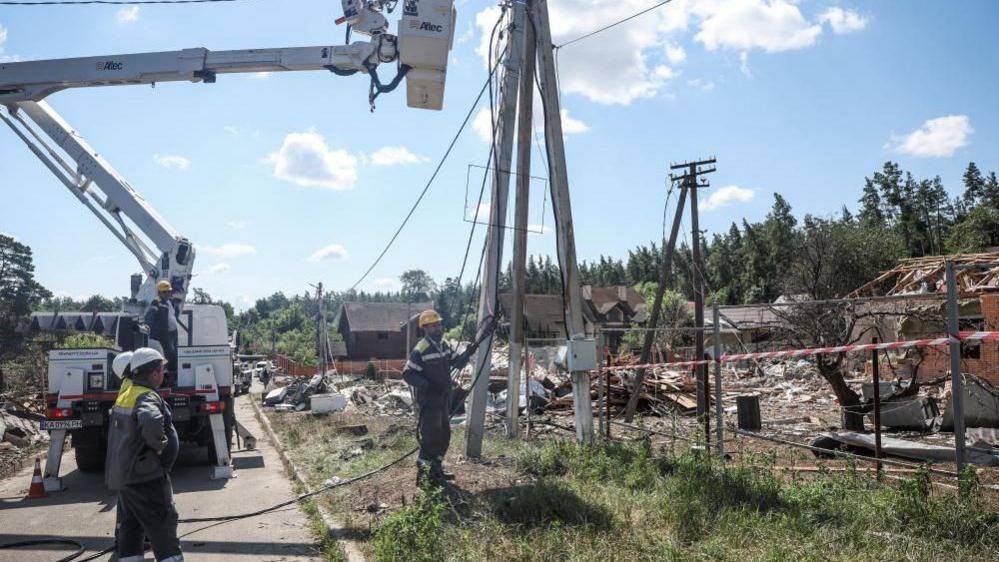
Yet, Ukraine’s narrative is starkly different. In the weeks since the announcement, Kyiv claims that Russian drone strikes have racked up damage to vital energy sites, urging the West to increase pressure on Moscow. It argues that the ceasefire limits its ability to strike back, potentially tightening Russia's supply lines.
The Kremlin, as Peskov himself noted, claims it seeks a lasting peace but has so far continued aggressive attacks, including on the last functioning Ukrainian oil refinery. The Russian stance suggests that the ceasefire only ties Ukraine’s hands, not Russia’s.
The stakes spill beyond energy. If Russian attacks intensify, Moscow wilfully risks provoking the U.S. to cut intelligence sharing and weapon sales to Kyiv, hoping to erode American support and influence domestic U.S. politics during the midterm elections. The part‑deal around fuel imports could also be leveraged to increase pressure on Ukrainian political structures.
In the broader context, Moskovsky Komsomolets has criticised the ceasefire, claiming it is a “respite” that would weaken Ukraine’s willingness to negotiate. Moscow’s public refrain has been that it does not want a ceasefire—only a lasting peace—and is willing to do whatever is necessary to achieve it.
Thus, while Trump’s ceasefire announcement sparks diplomatic chatter abroad, Moscow remains tight‑lipped, viewing the deal as a strategic boon that may allow it to maintain offensive pressure on Ukrainian energy infrastructure while claiming a veneer of restraint.