In brief
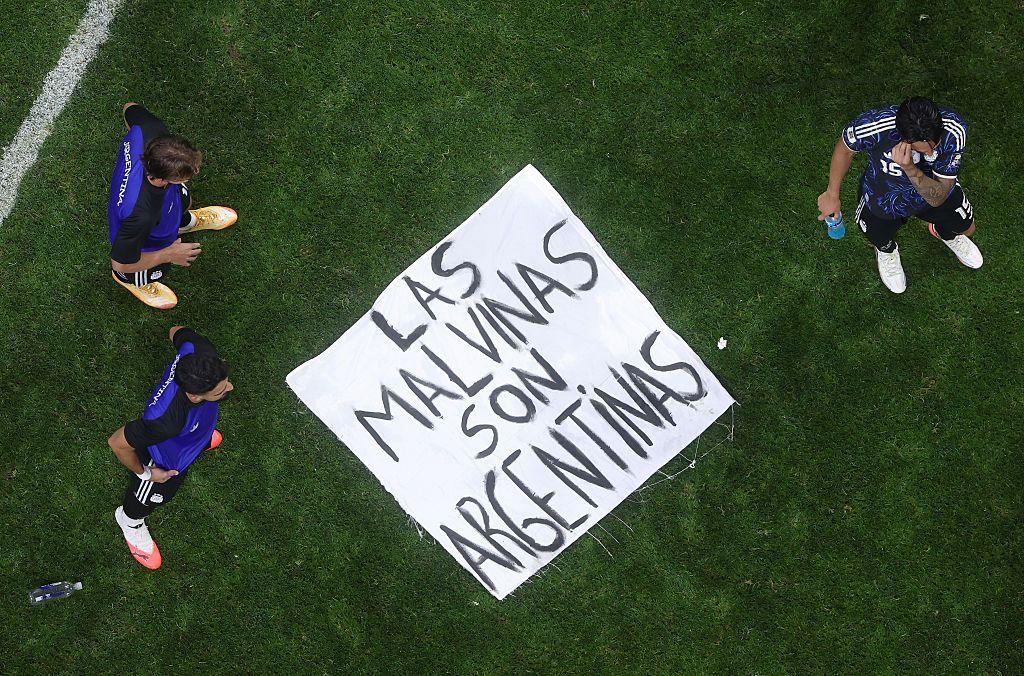
Argentina’s national team celebrated a World Cup victory by holding a "Las Malvinas son Argentinas" banner, invoking a long‑standing dispute over the Falkland Islands. The White House’s FIFA task force, led by Andrew Giuliani, defended the players’ right to free speech, citing the U.S. First Amendment. Downing Street sides with FIFA’s investigation, warning that politics should not enter sport. The Falkland Islands government expressed disappointment, urging disciplinary action to uphold neutrality. This incident has reignited political tensions between the UK and Argentina amidst the global tournament spotlight.
Argentina’s national football squad celebrated a triumphant 3‑2 victory over England at the World Cup 2026 with a banner that read Las Malvinas son Argentinas, translating as "The Falklands are Argentine." The gesture electrified supporters but drew criticism from the United Kingdom and FIFA.
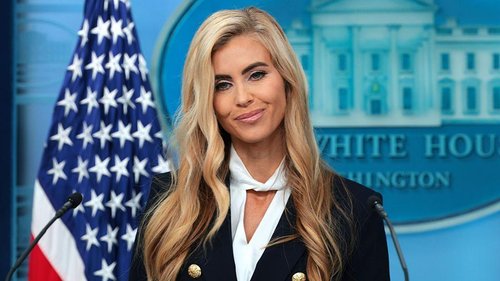
When queried by reporters, White House senior adviser Andrew Giuliani defended the team’s action, saying the players exercised their First Amendment rights while in the United States. Giuliani added that FIFA, as the governing body, would decide on disciplinary matters.
Downing Street echoed calls for FIFA to investigate, with the Prime Minister’s spokesperson stating, “The World Cup might not be ours, but the Falkland Islands definitely are. Our commitment to the Falklands will never waver.”
Both the British government and the Falkland Islands’ administration have expressed disappointment, urging that players refrain from politicising sport. The region voted overwhelmingly to remain a U.K. overseas territory in a 2013 referendum, a fact often cited by officials opposing the banner.
FIFA has yet to formally announce any penalties, but Argentina faces potential sanctions under rules that restrict political statements during official matches. The debate pits the sanctity of free expression against the neutrality of international sport.
For readers wishing to explore the incident in an interactive way, a visualisation link embeds a live data set on the impact of political controversies in sport, accessible through the football federation’s digital platform.